A bittersweet farewell
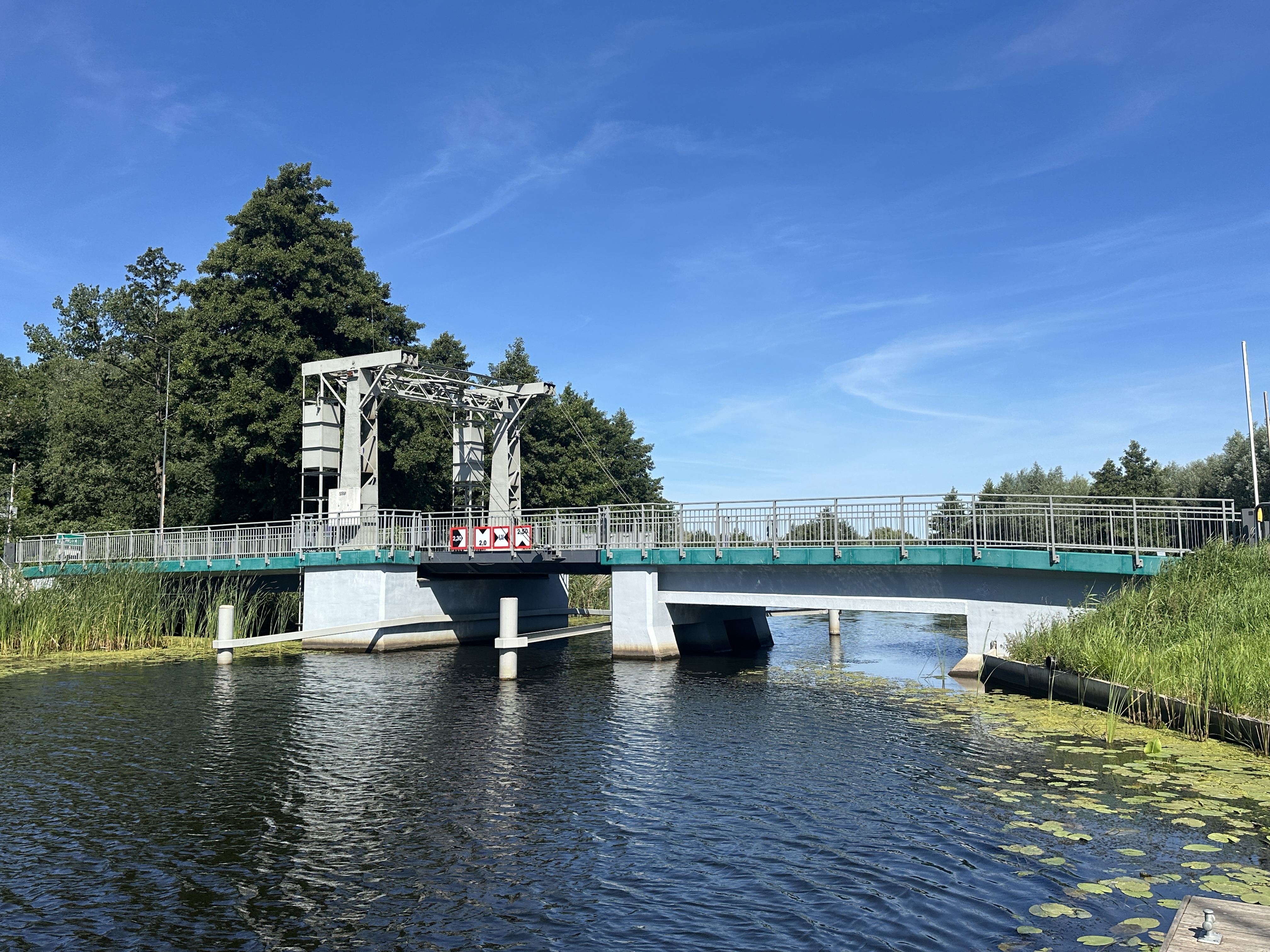
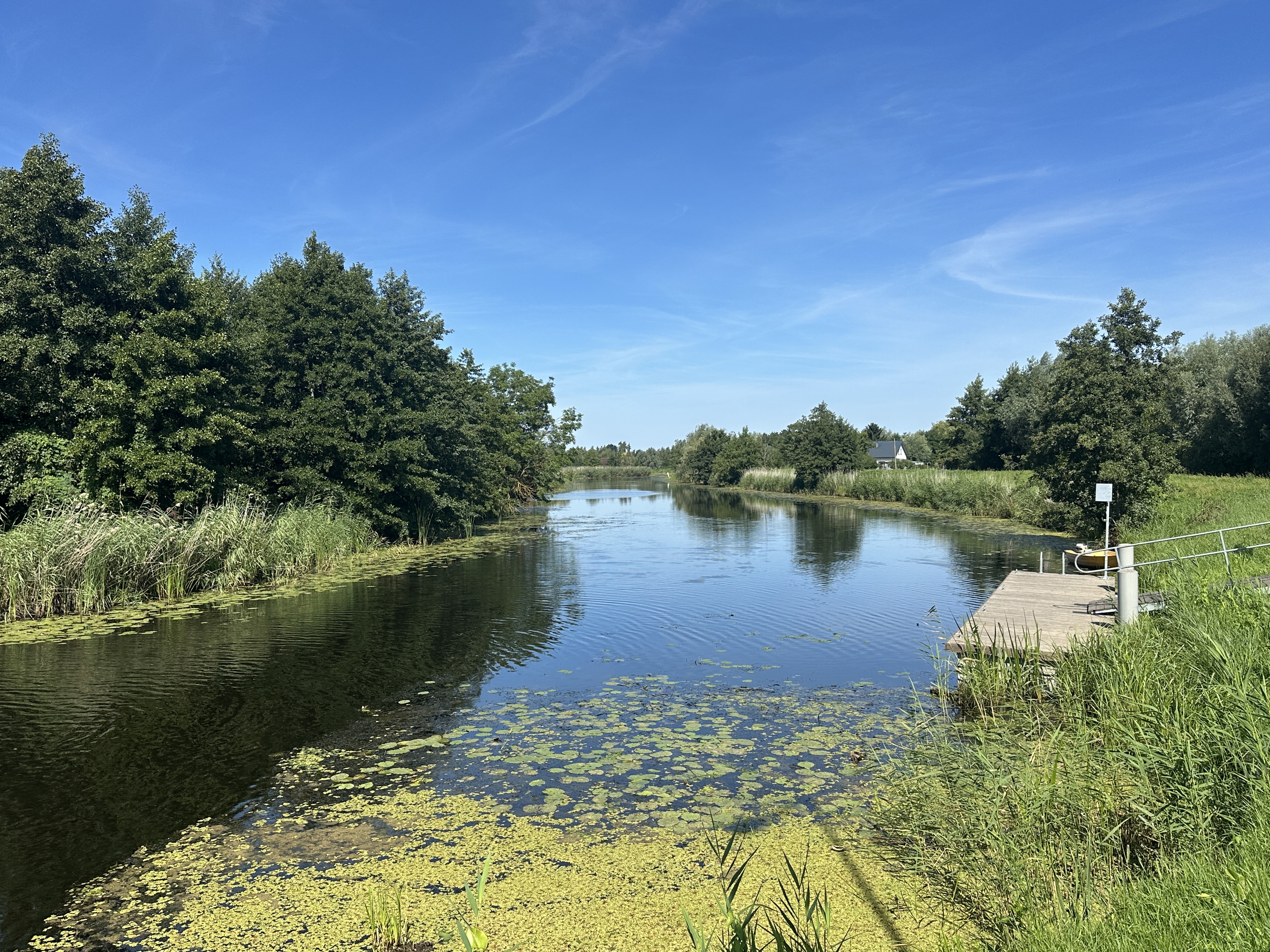
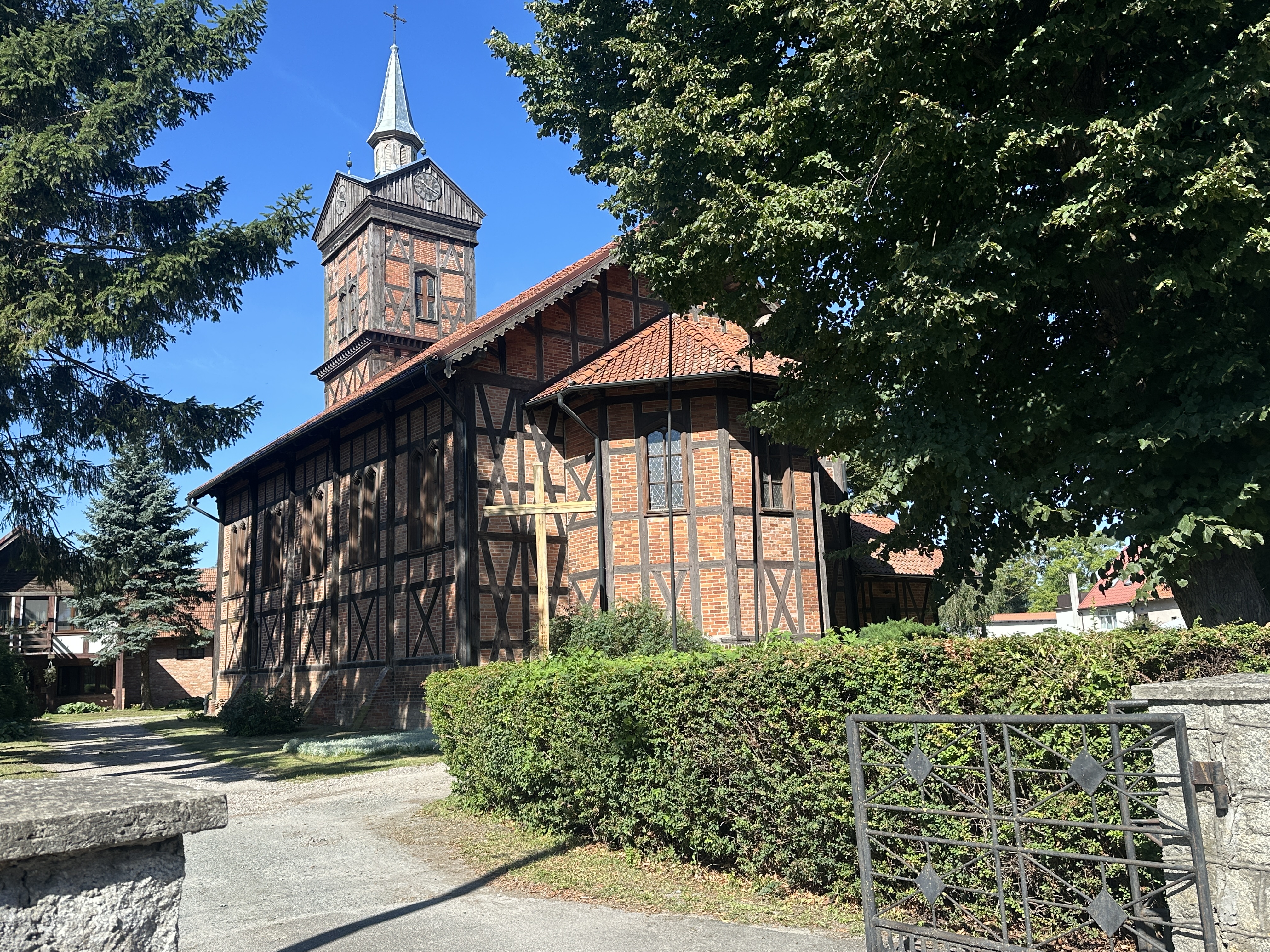
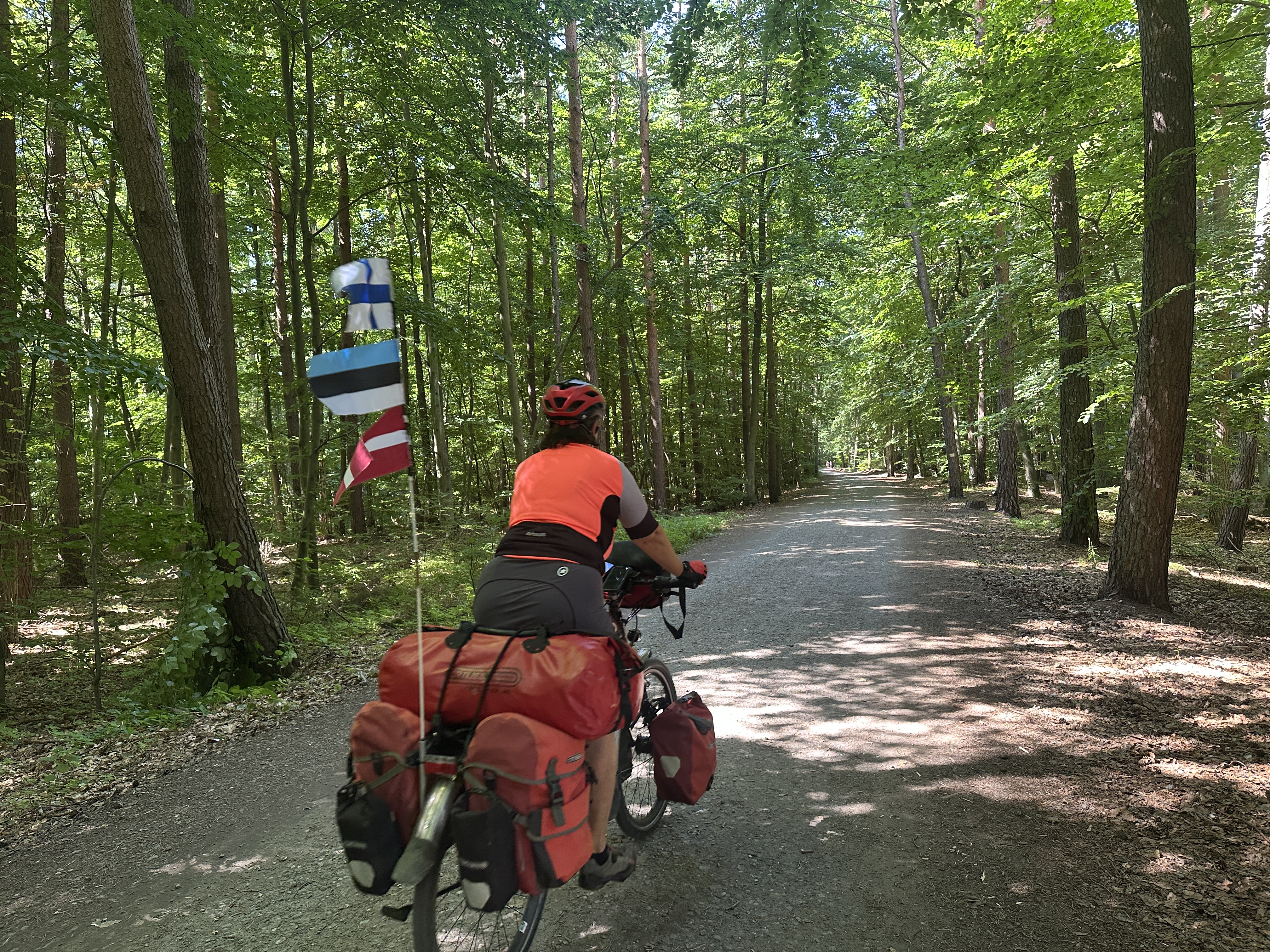
Although entering the fourth country on our tour wasn’t exactly straightforward – see the report on Lithuania – the ride through Masuria provided the (almost) perfect finale to our cycling tour of the Baltic States and Poland. A beautiful landscape characterised by a multitude of lakes – some of them downright romantic – vast grain fields stretching across rolling hills, and cool mixed-forest stretches, which we often explored via ancient tree-lined avenues, repeatedly cheered on by friendly gestures from motorists, farm workers and passers-by – all of this, combined with the warm, sunny weather, ensured a consistently good mood and a sense of joy throughout our adventure. Many a carefully maintained and idyllically situated campsite also contributed to our sense of well-being. The occasionally rough, corrugated gravel tracks did nothing to dampen this spirit; rather, they enhanced the adventurous nature of our tour.
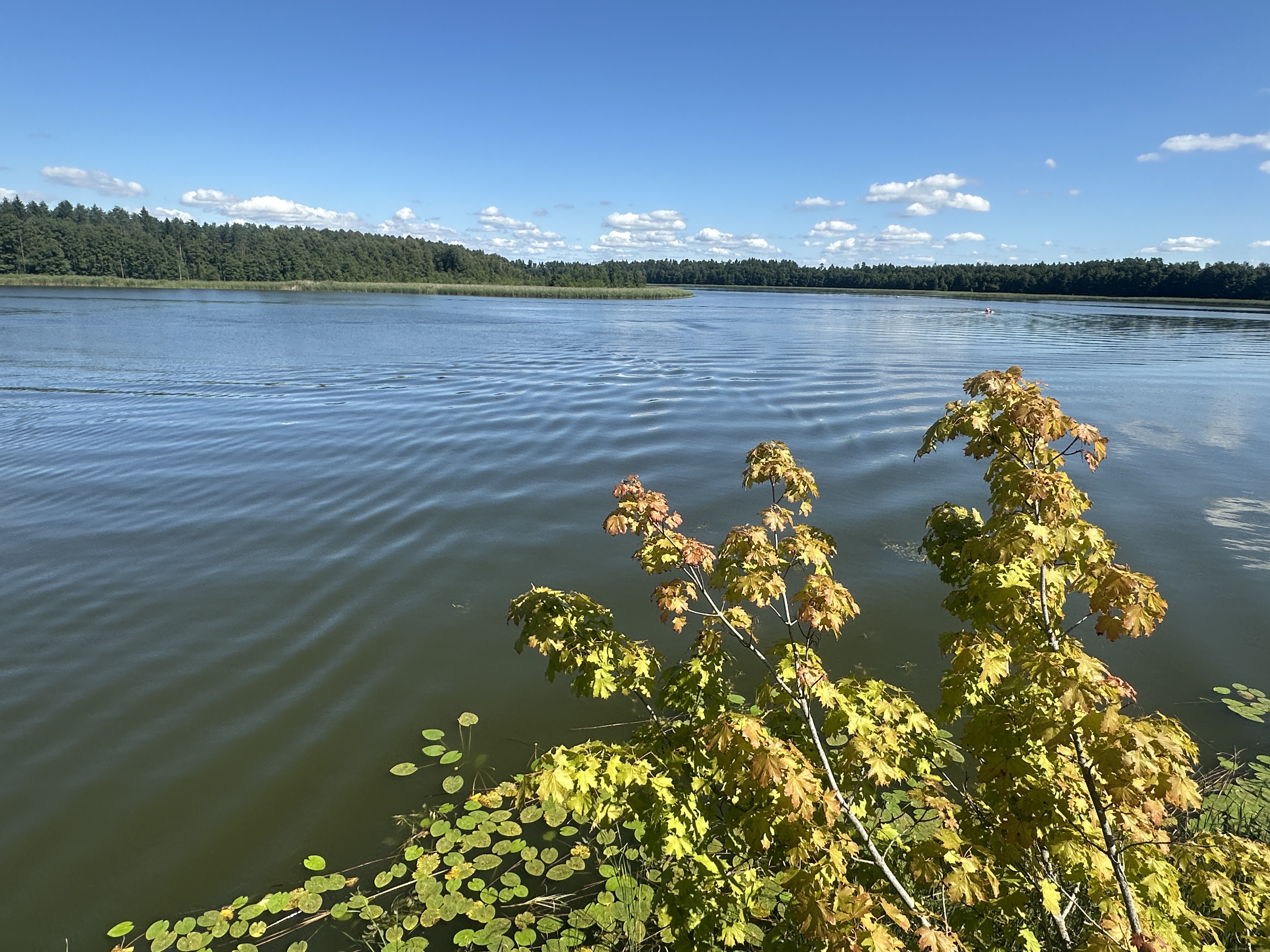
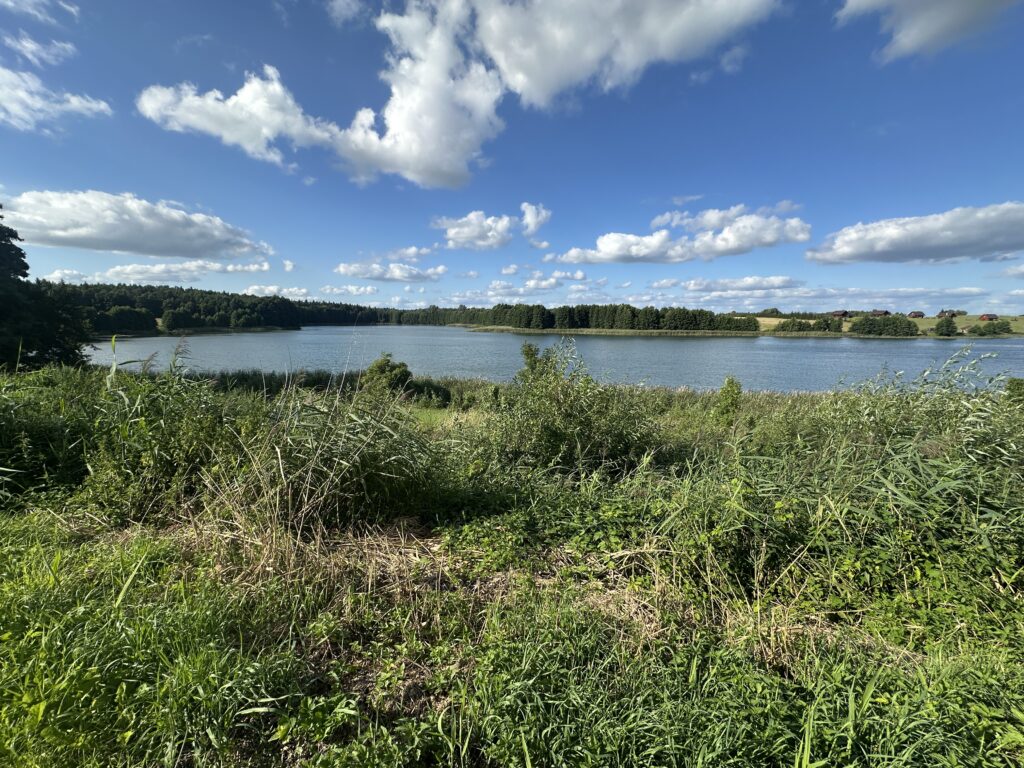
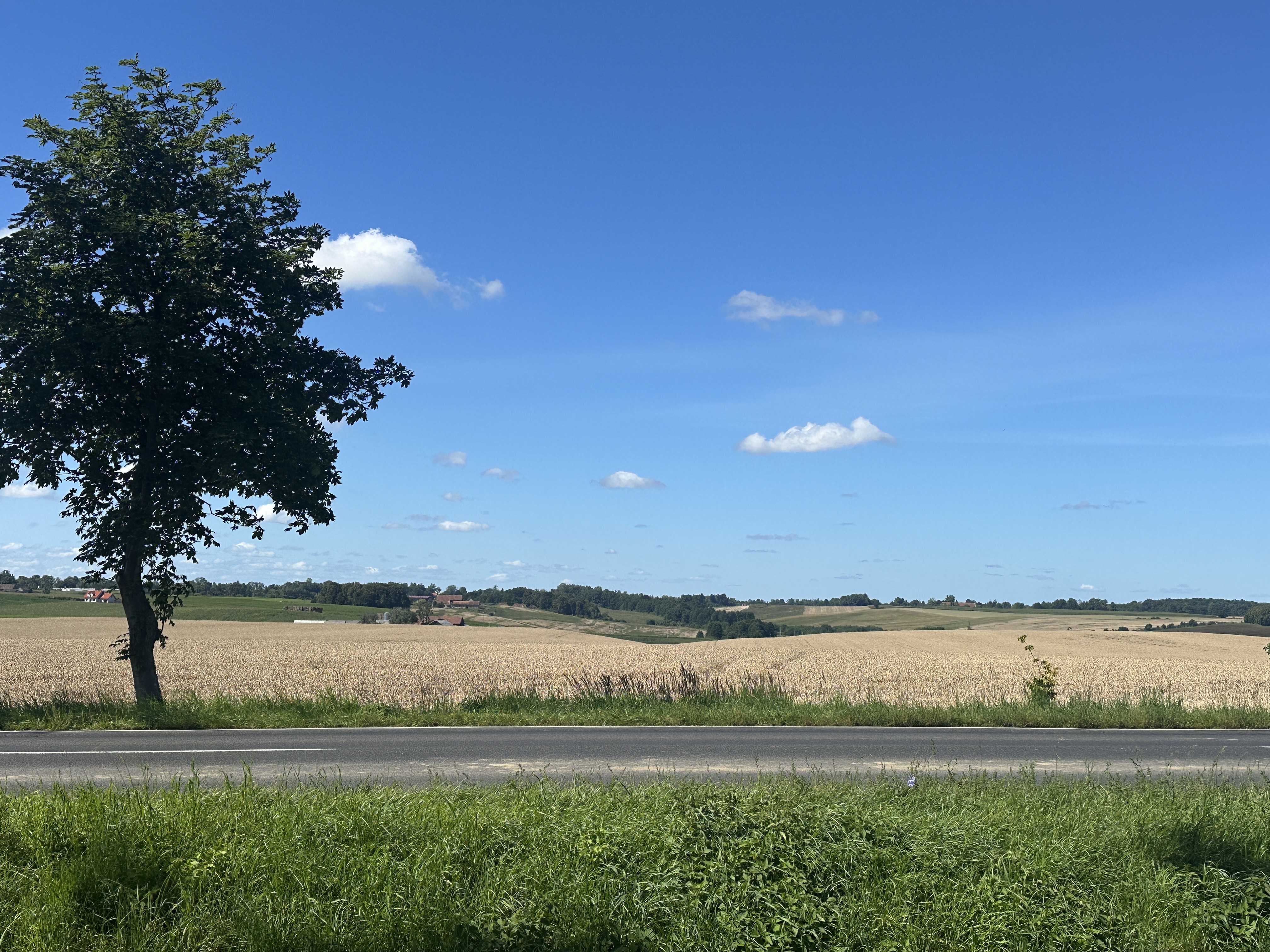
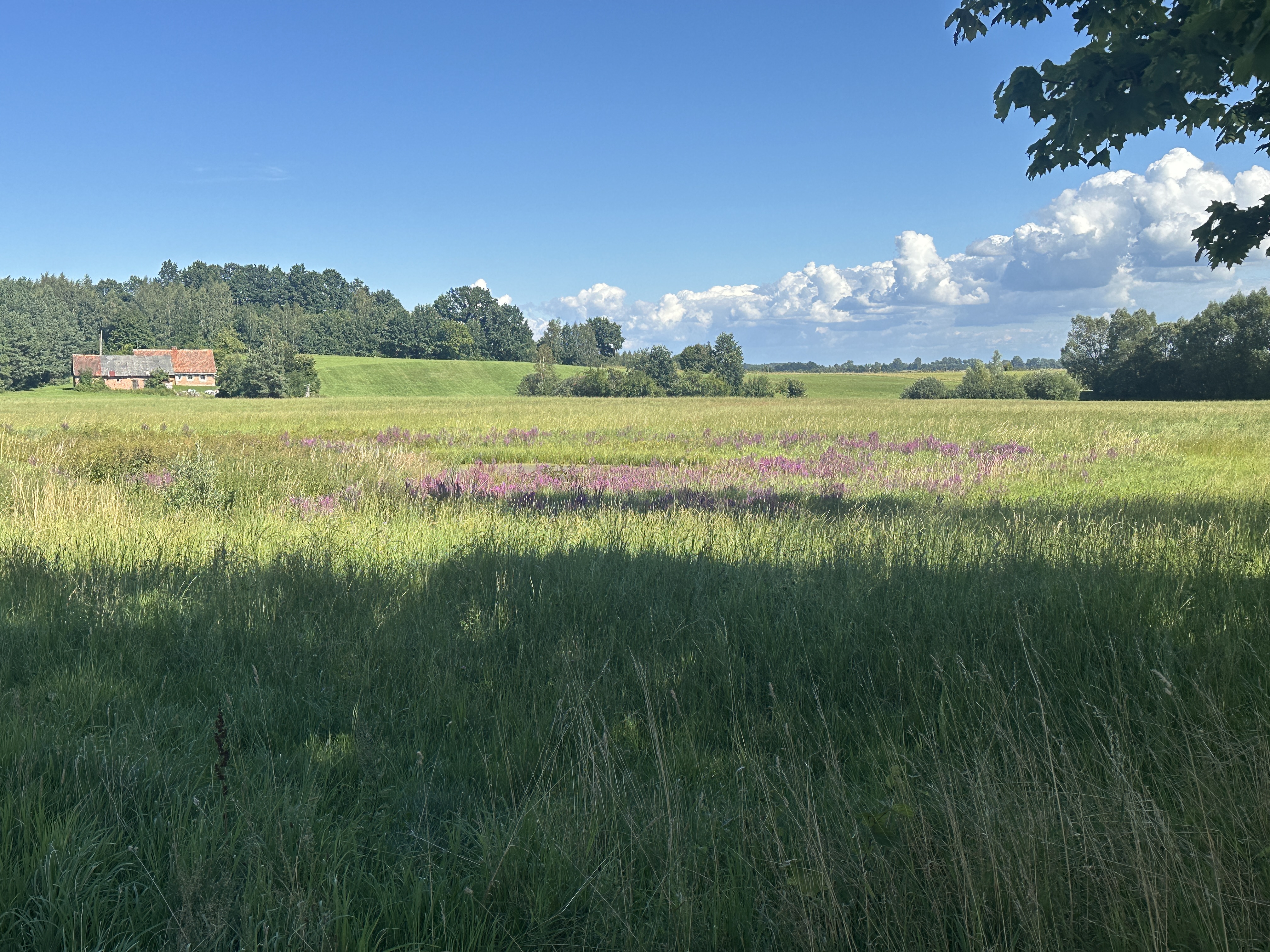
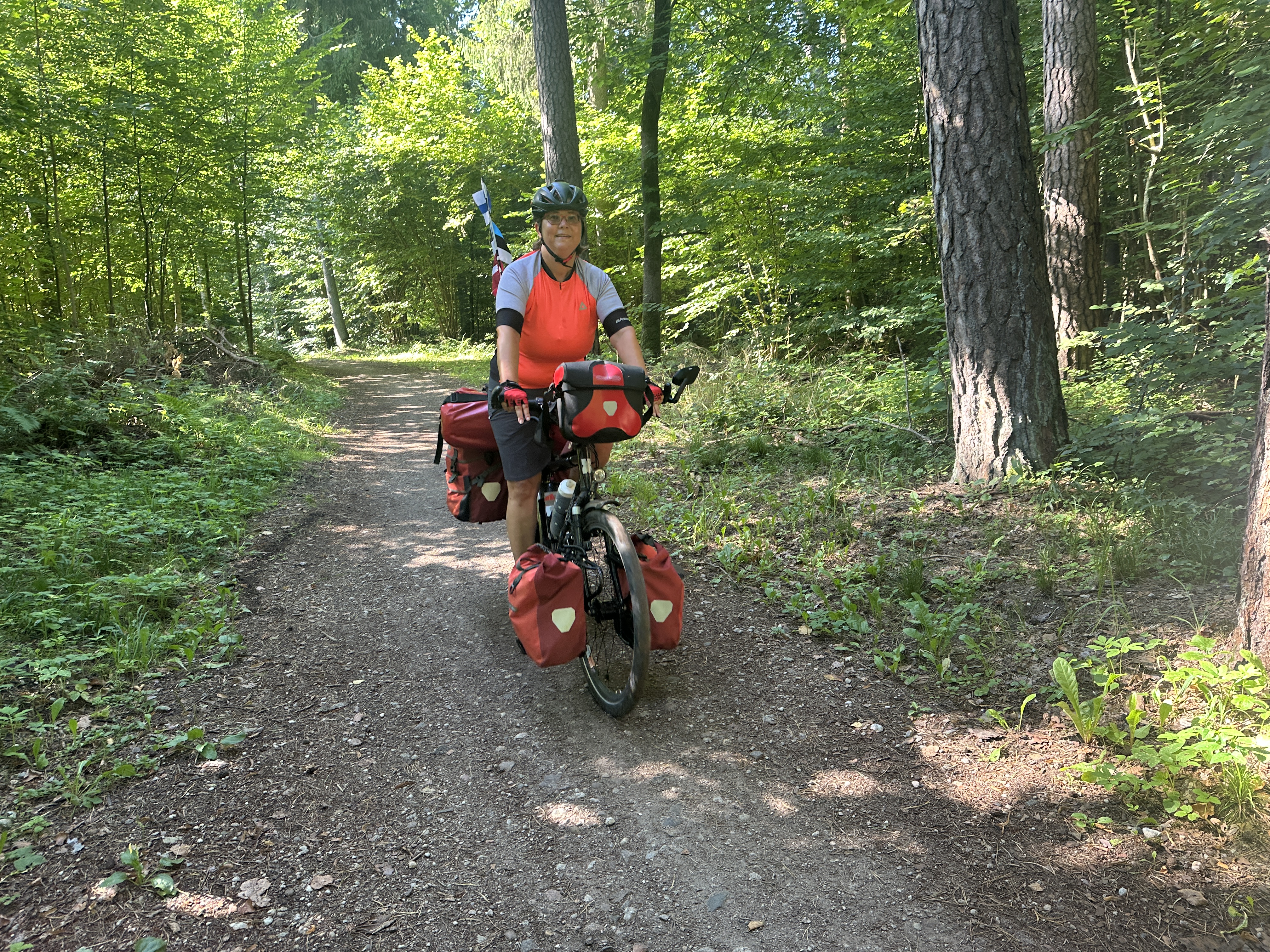
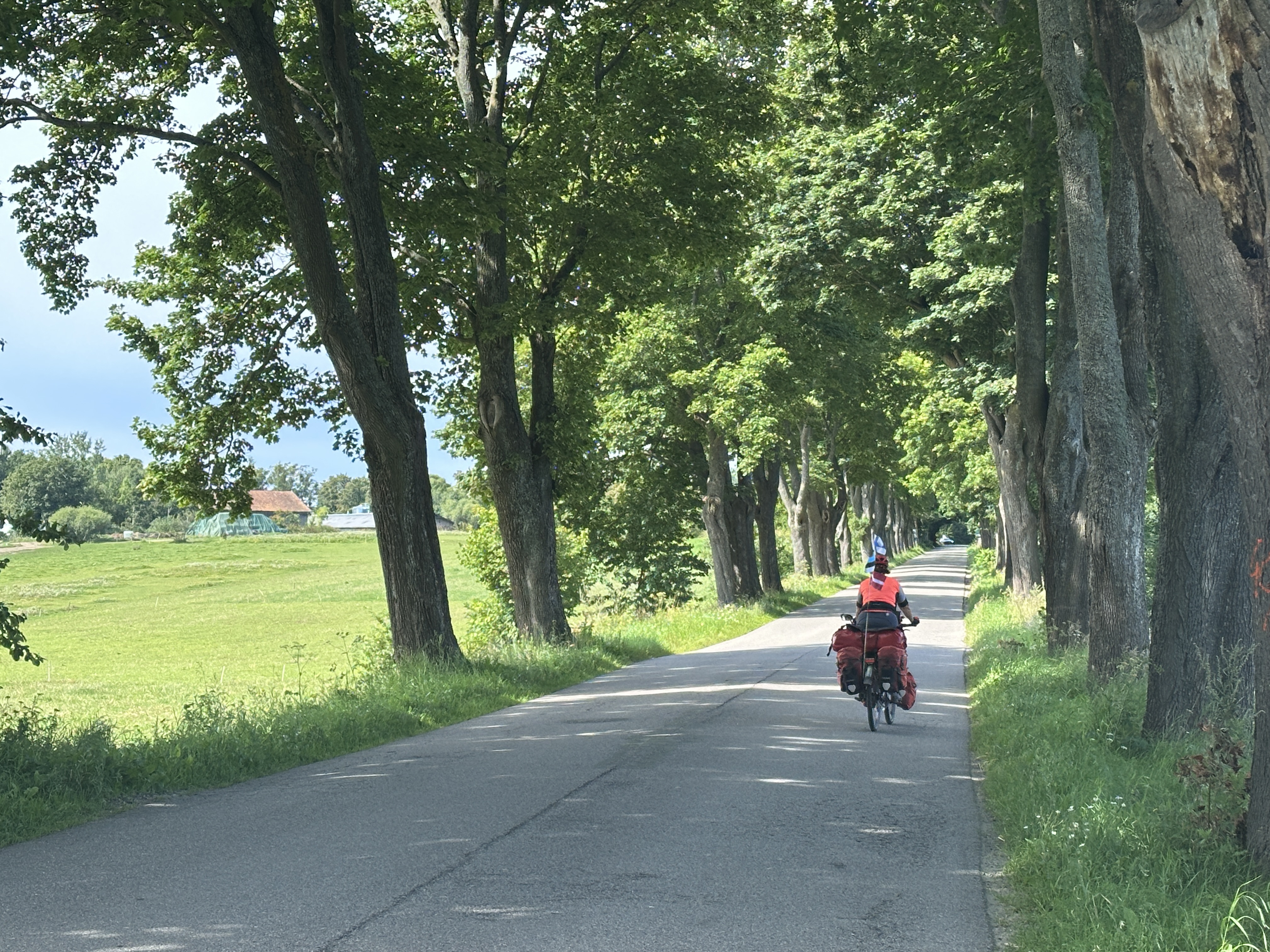
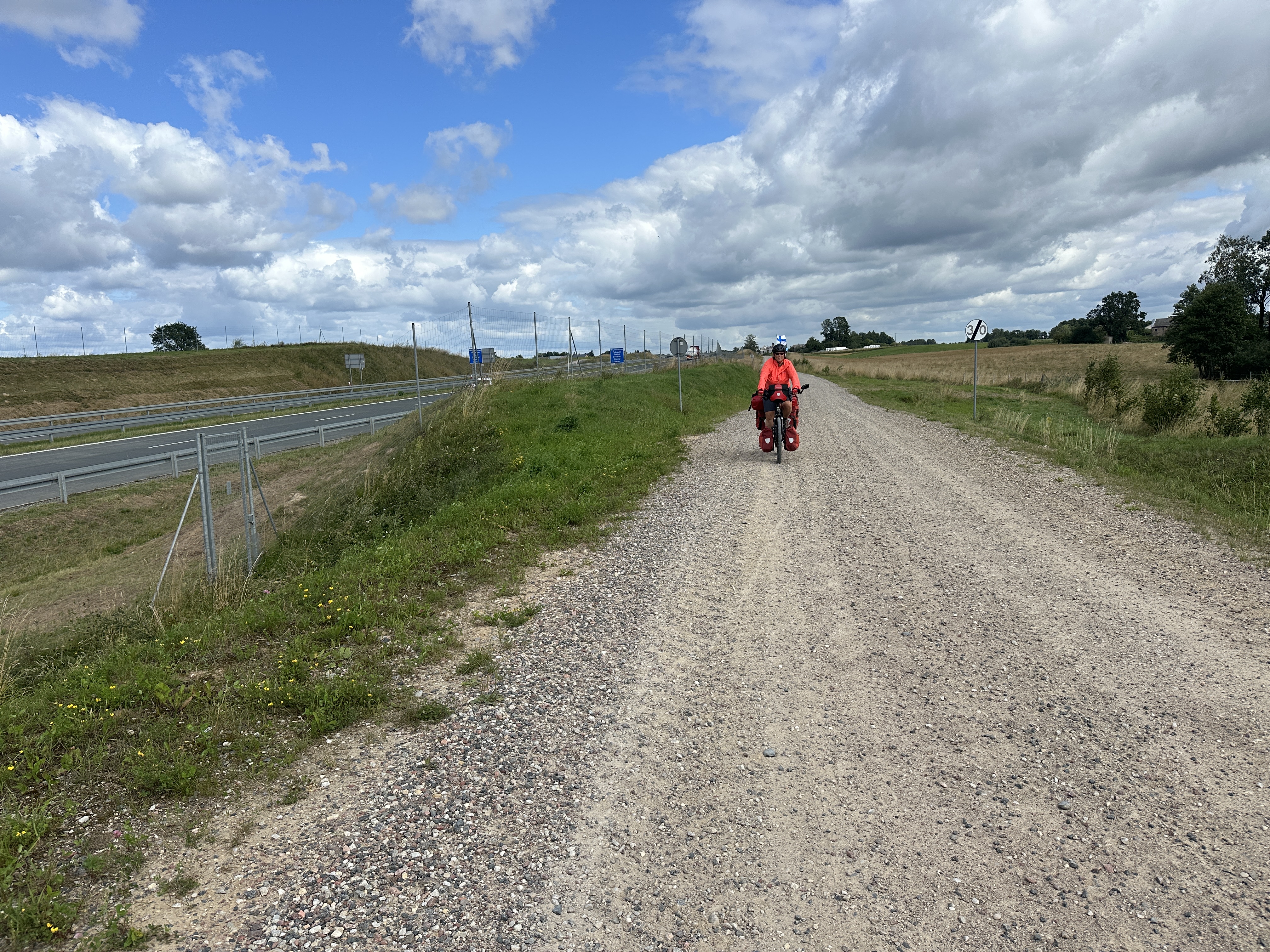
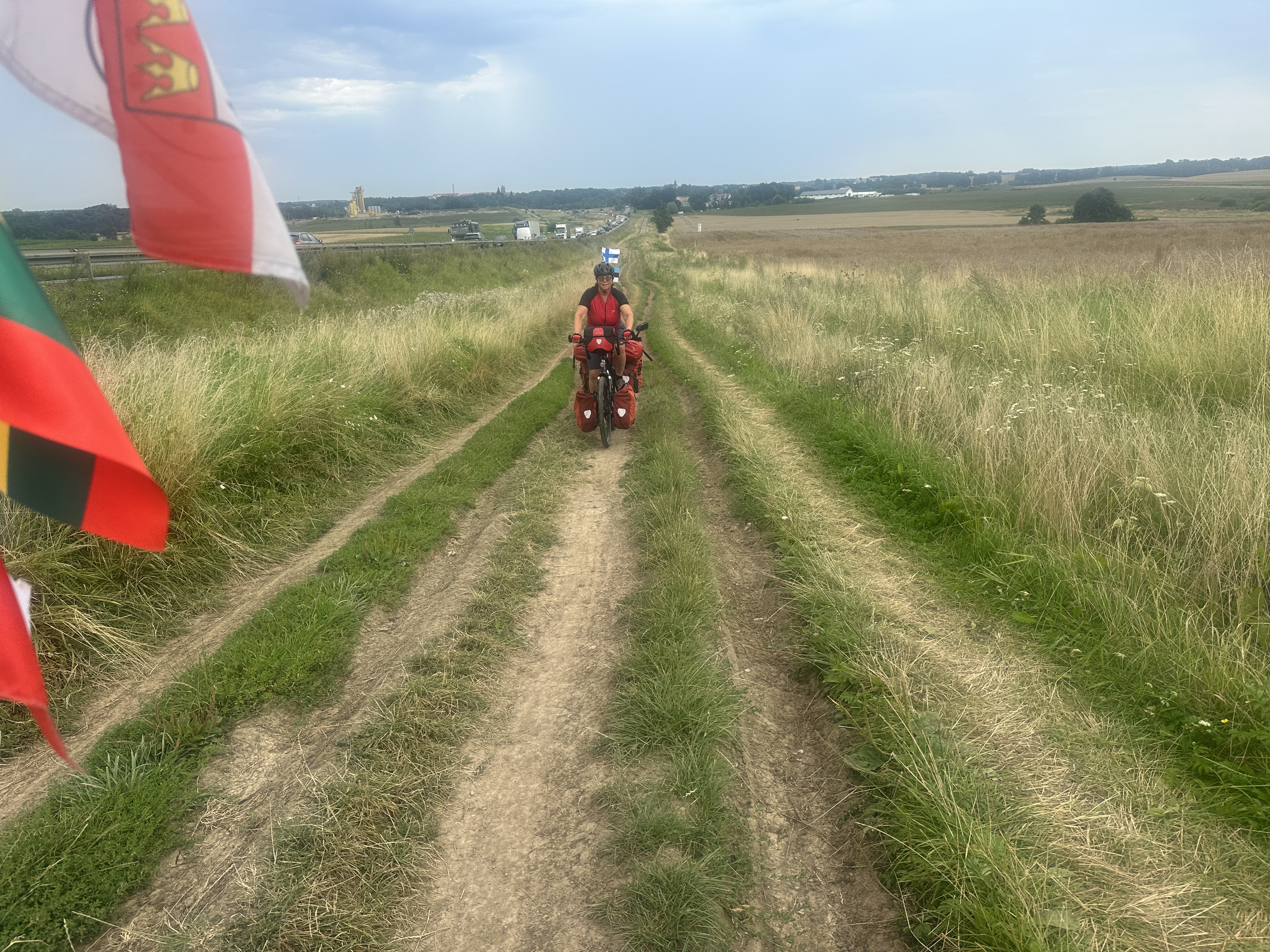
In almost all the places we passed through in former East Prussia, the eventful history of this north-eastern Polish region is reflected; a region that was influenced and shaped by Lithuanian, Russian, Swedish and German systems of rule and cultures. For example, one still occasionally comes across old place names, family names and inscriptions of German origin. Given the particularly harrowing experience of Nazi Germany’s brutal invasion of Poland, this makes the friendliness of the people we encounter time and again all the more heartening.
This is also reflected in the notably considerate and respectful behaviour of motorists towards cyclists and pedestrians alike. The aggression often seen in Germany, particularly on difficult stretches of road, is not to be found here; incidentally, this applies equally to the three Baltic states. Vulnerable road users are given priority everywhere here.
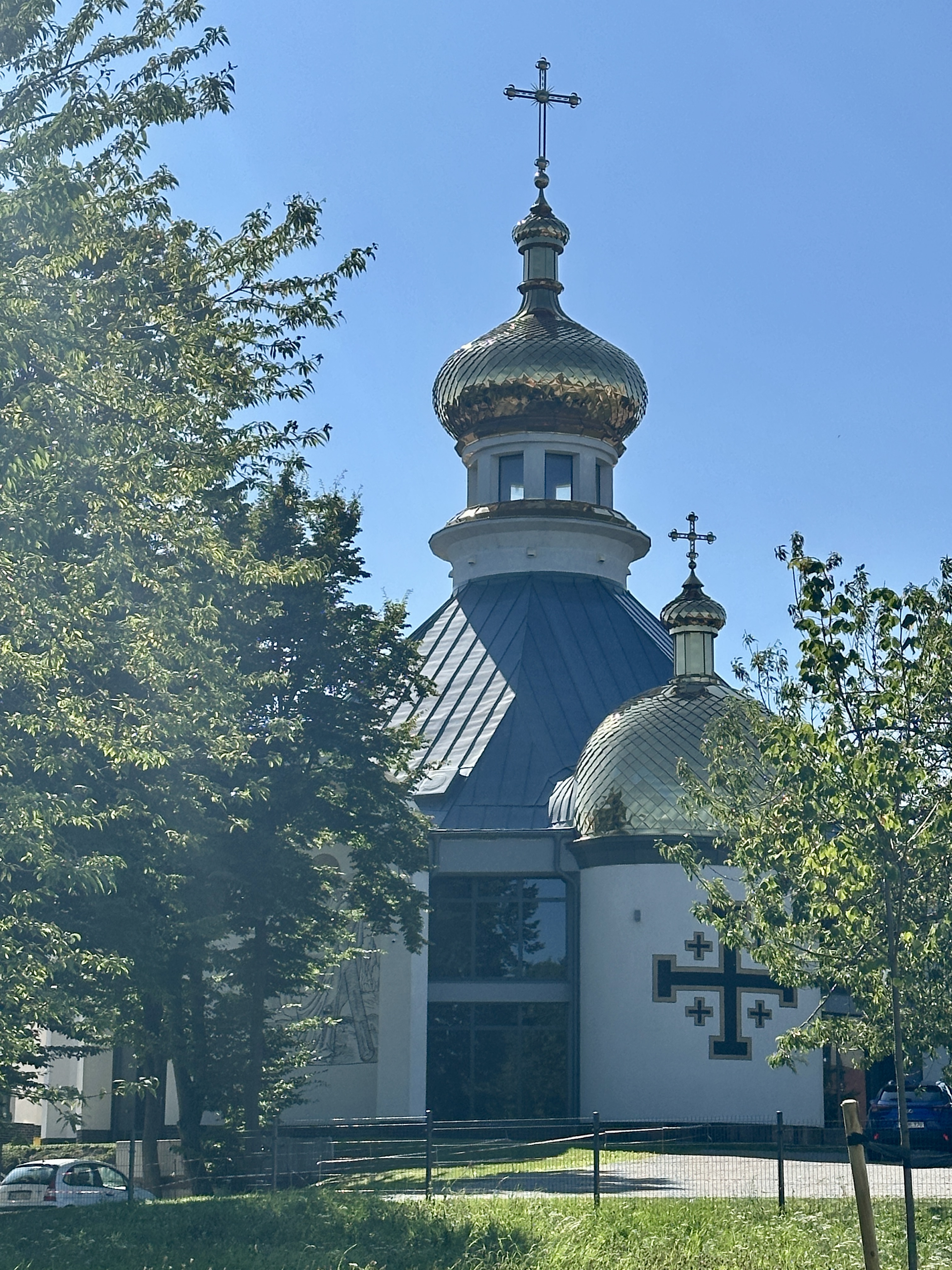
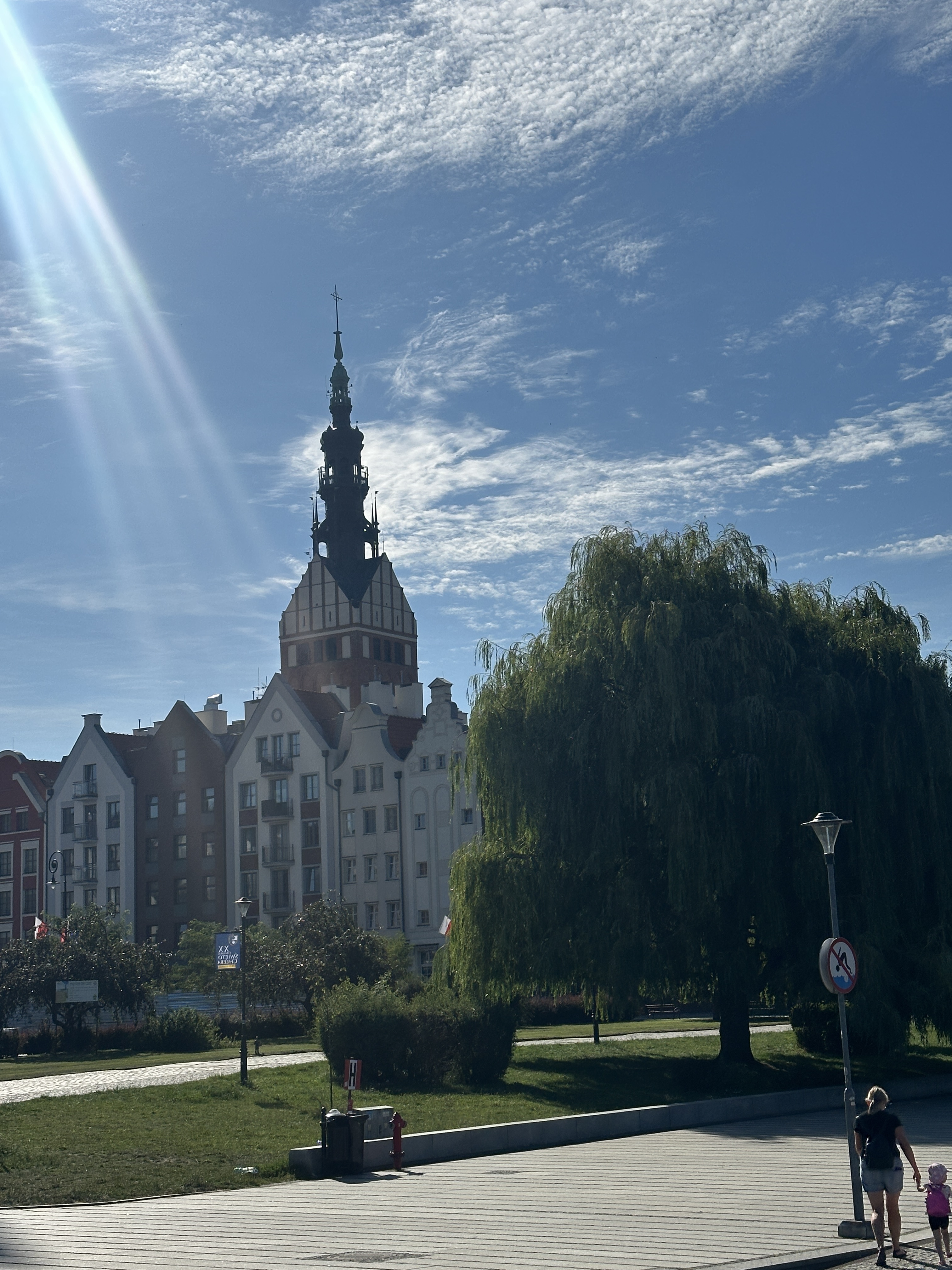
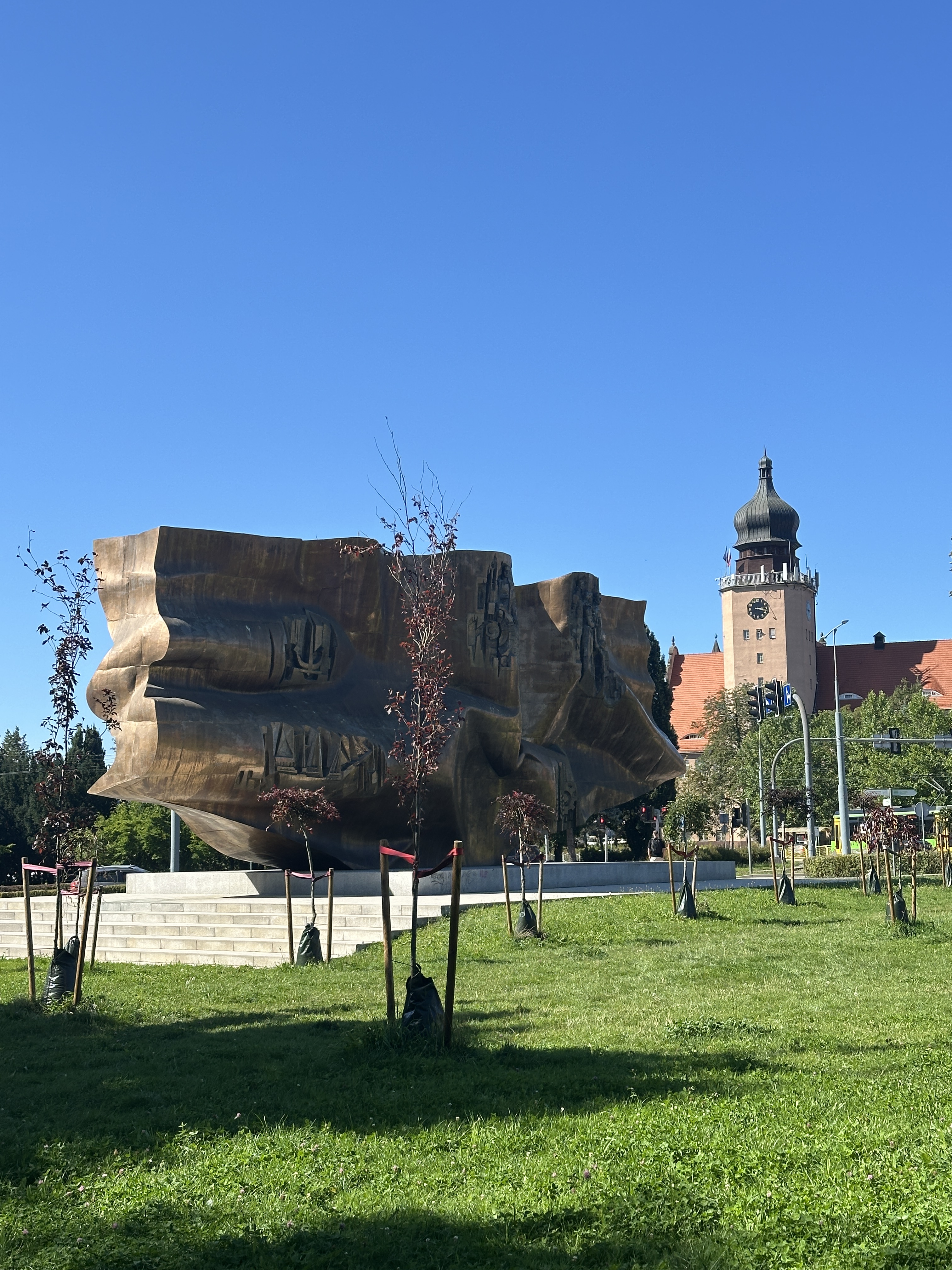
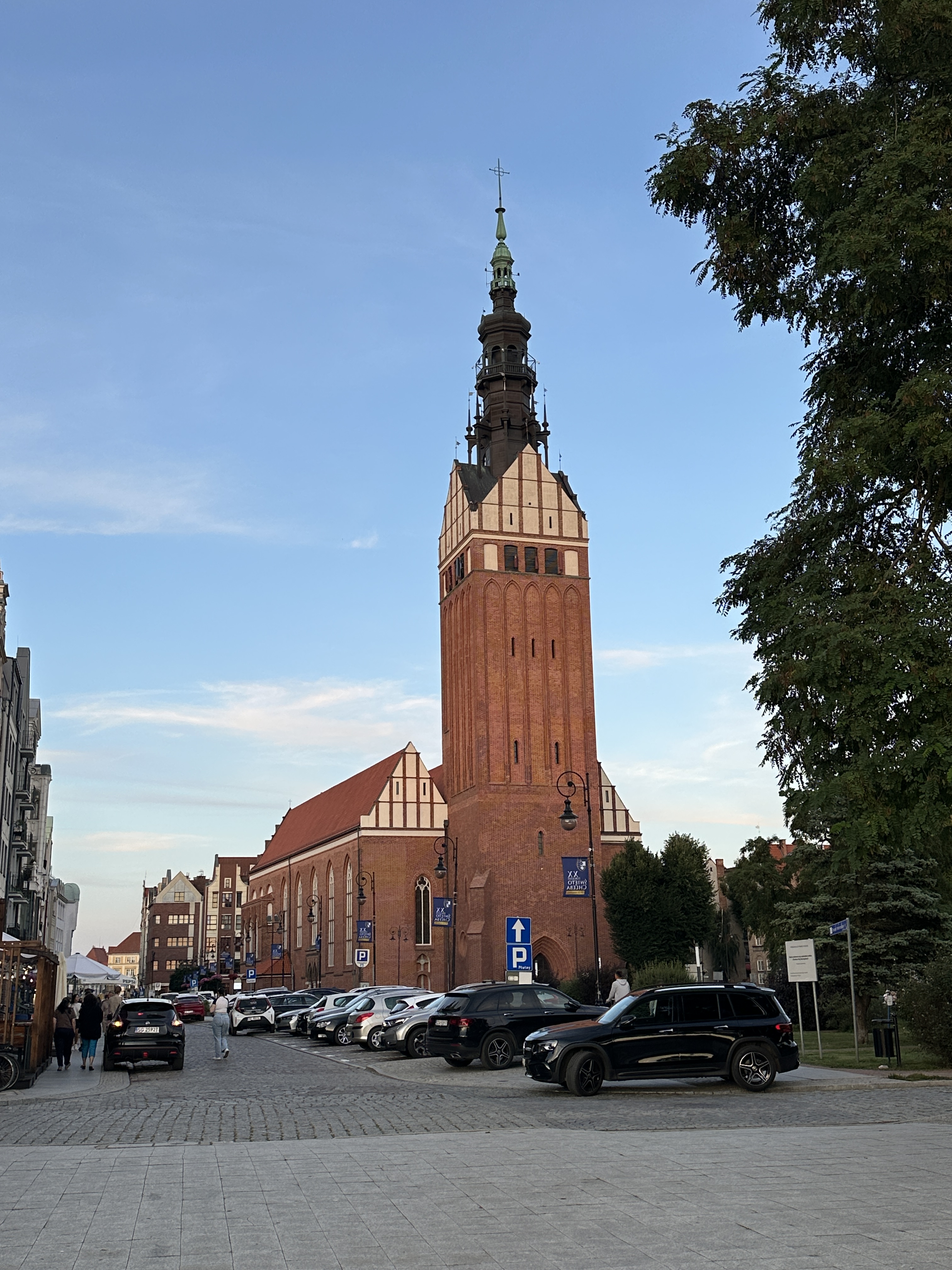
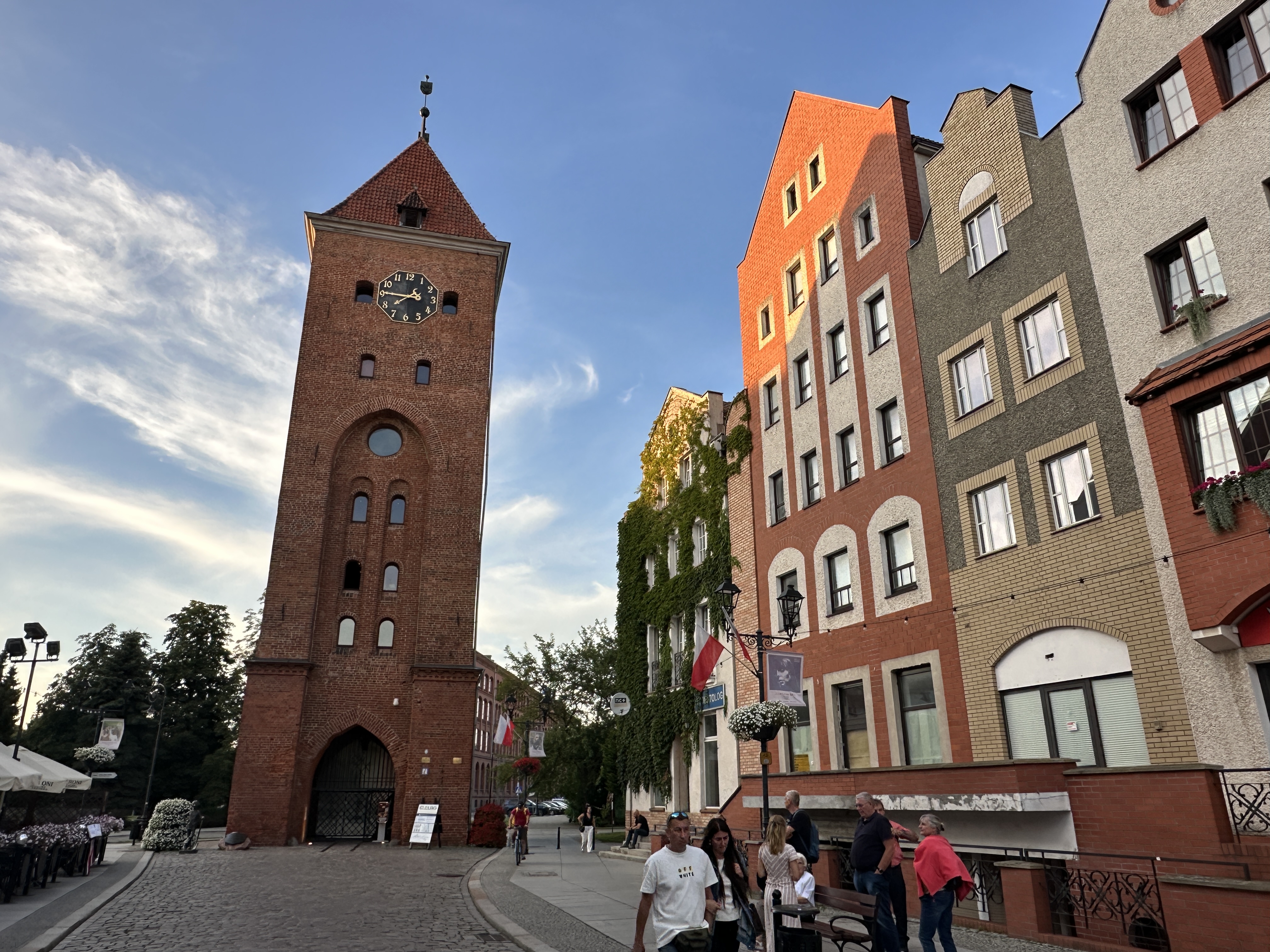
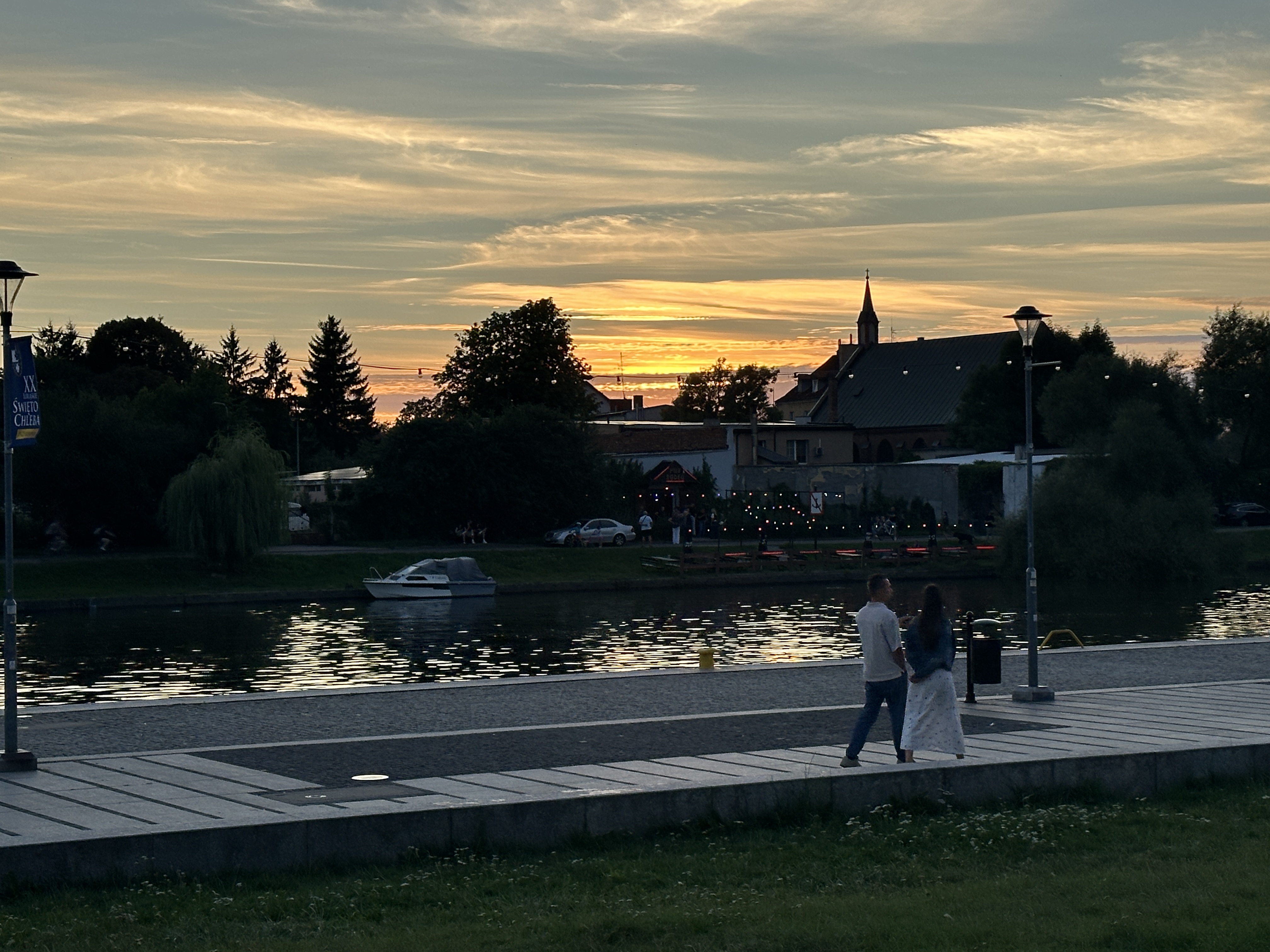
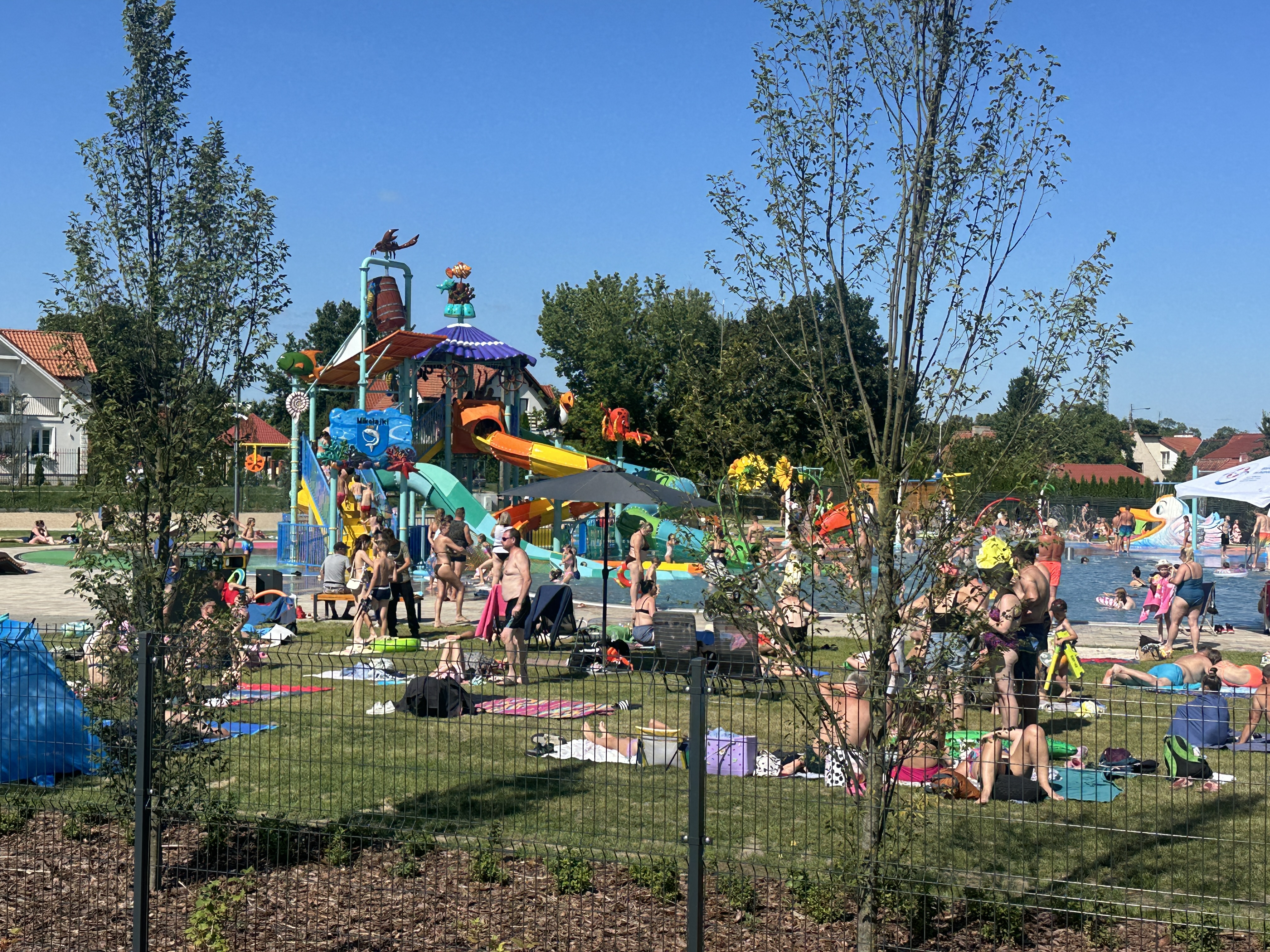
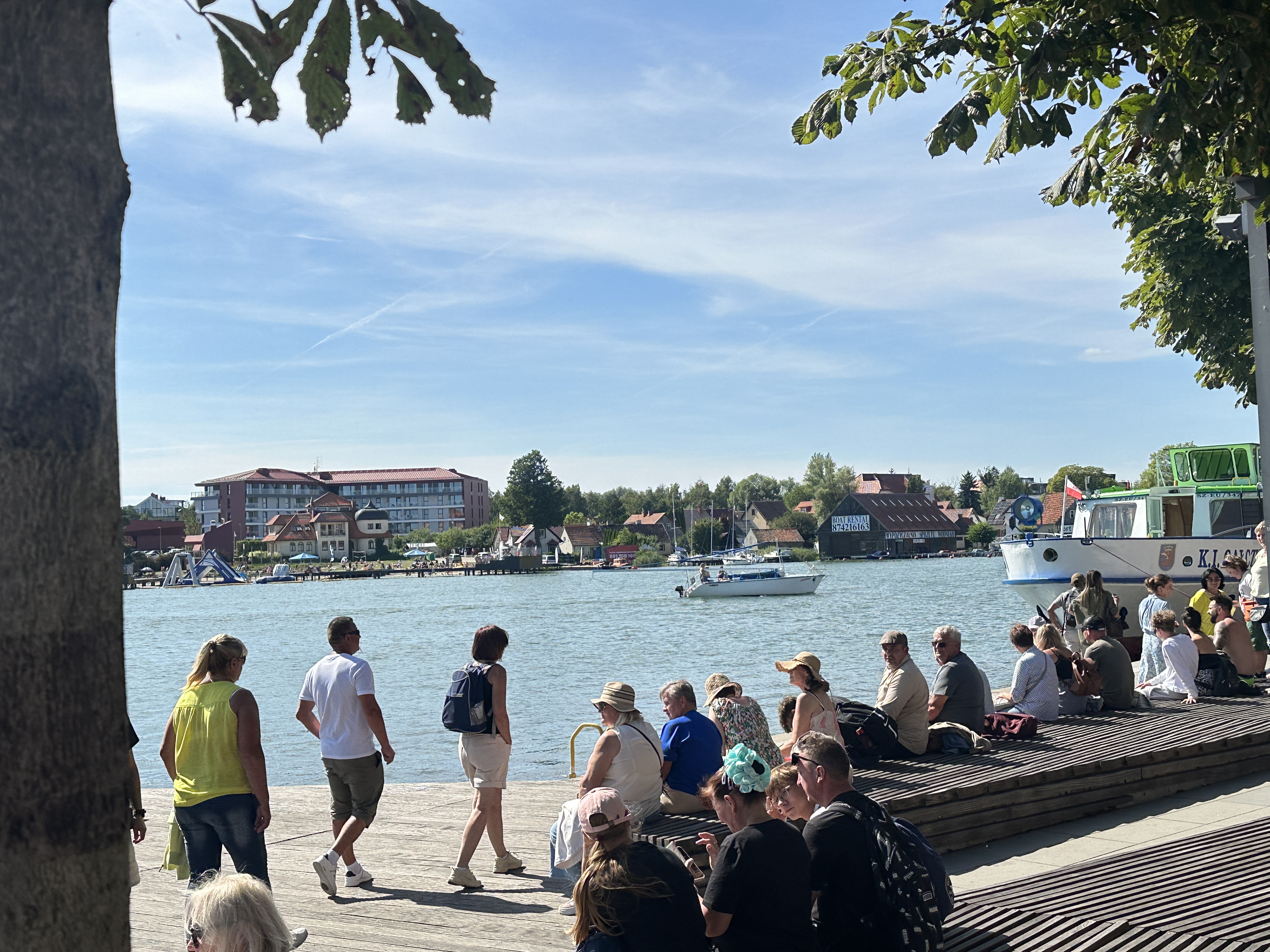
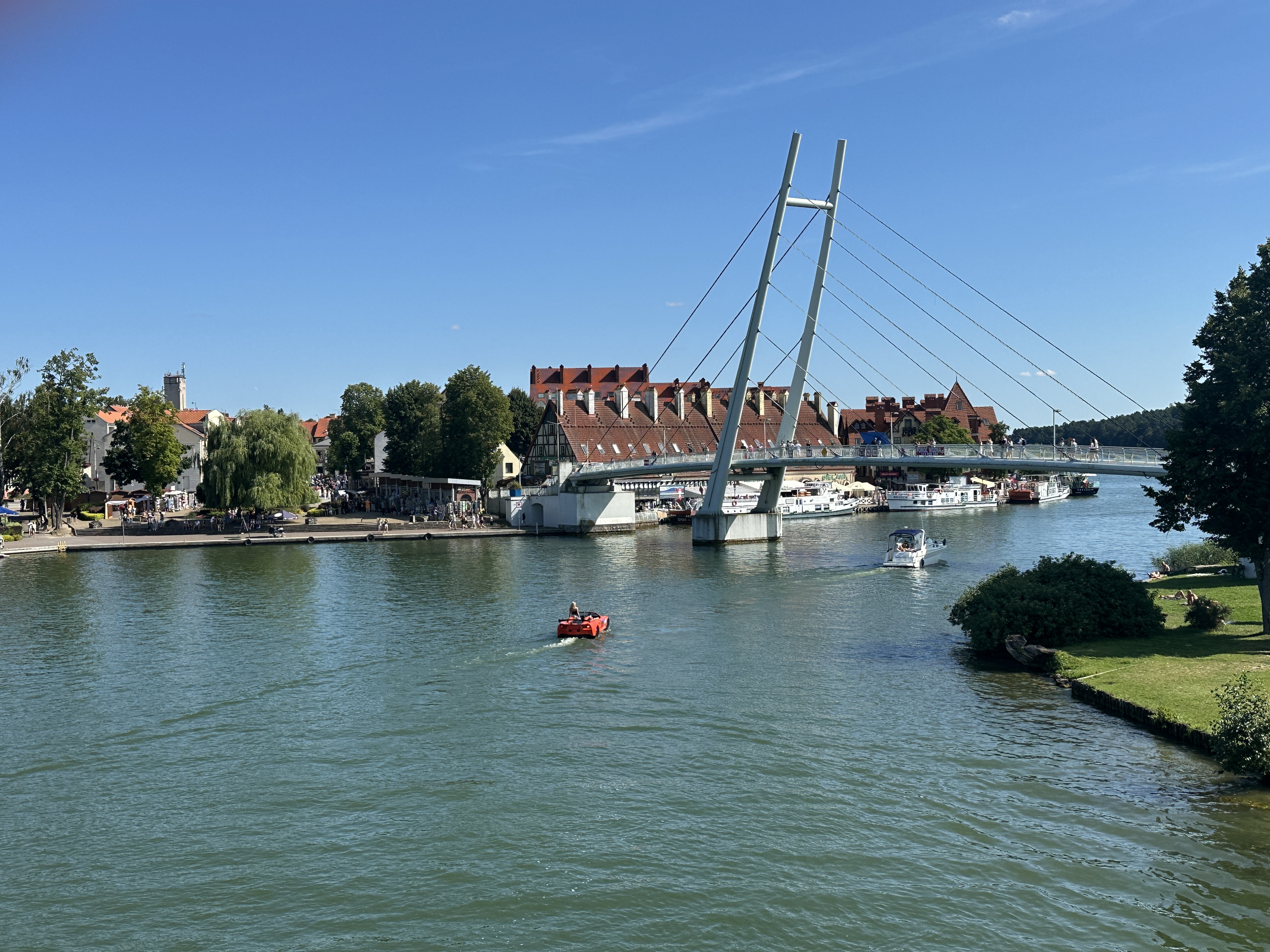
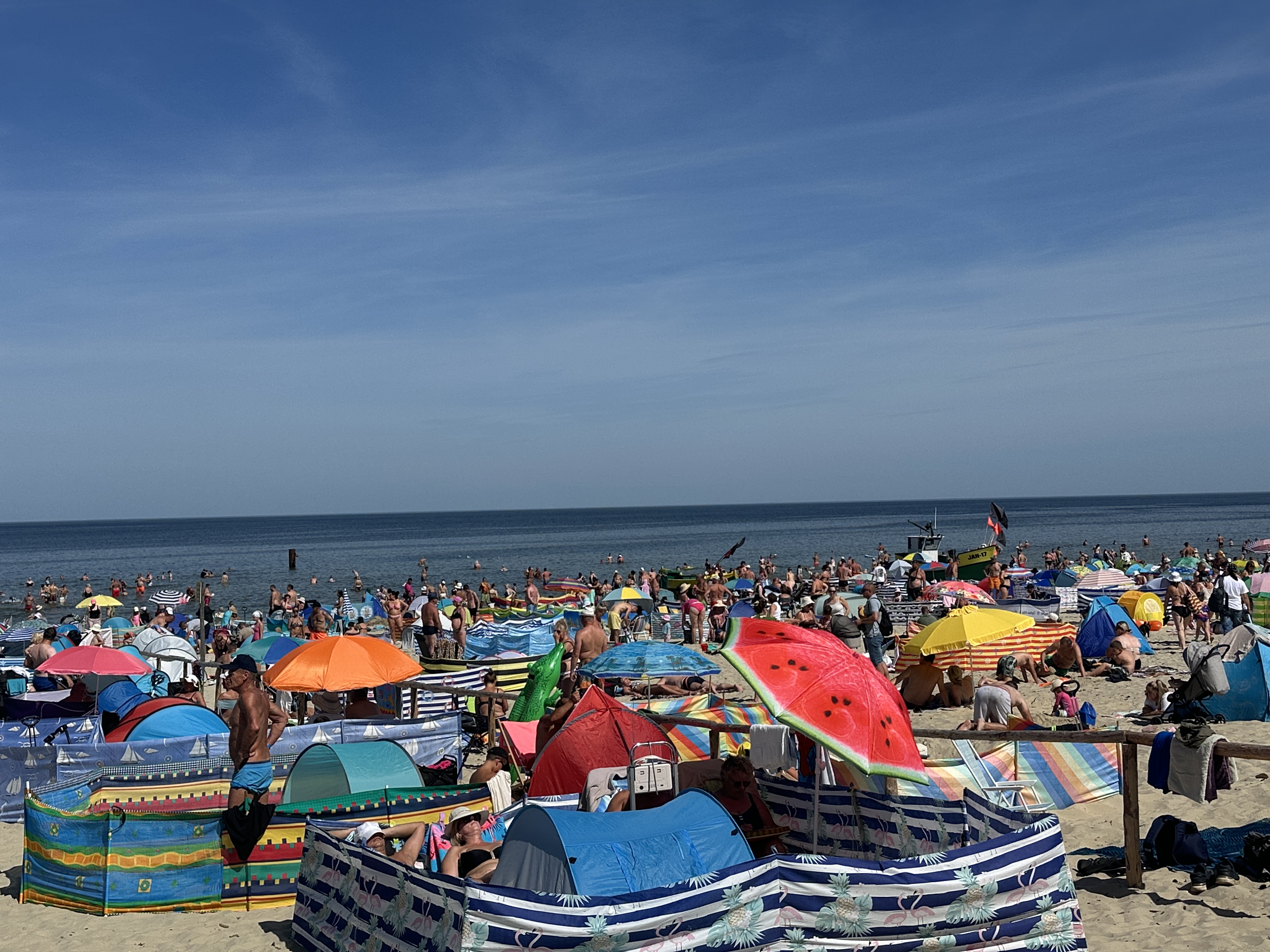
The economic boom that has taken place since my first trips to this region just under twenty years ago is particularly striking: a significantly improved infrastructure, well-maintained towns, carefully restored historic town centres and modern tourist facilities – although this does, at times, take on excessive forms. In Mikołajki (Nikolaiken), for instance, or in certain parts of the Baltic coast, one gets the impression of being in a huge funfair. Furthermore, the once-wonderful Vistula Delta nature reserve – which was home to what was once Europe’s largest population of wild swans – has been completely sacrificed to agricultural use following its drainage.
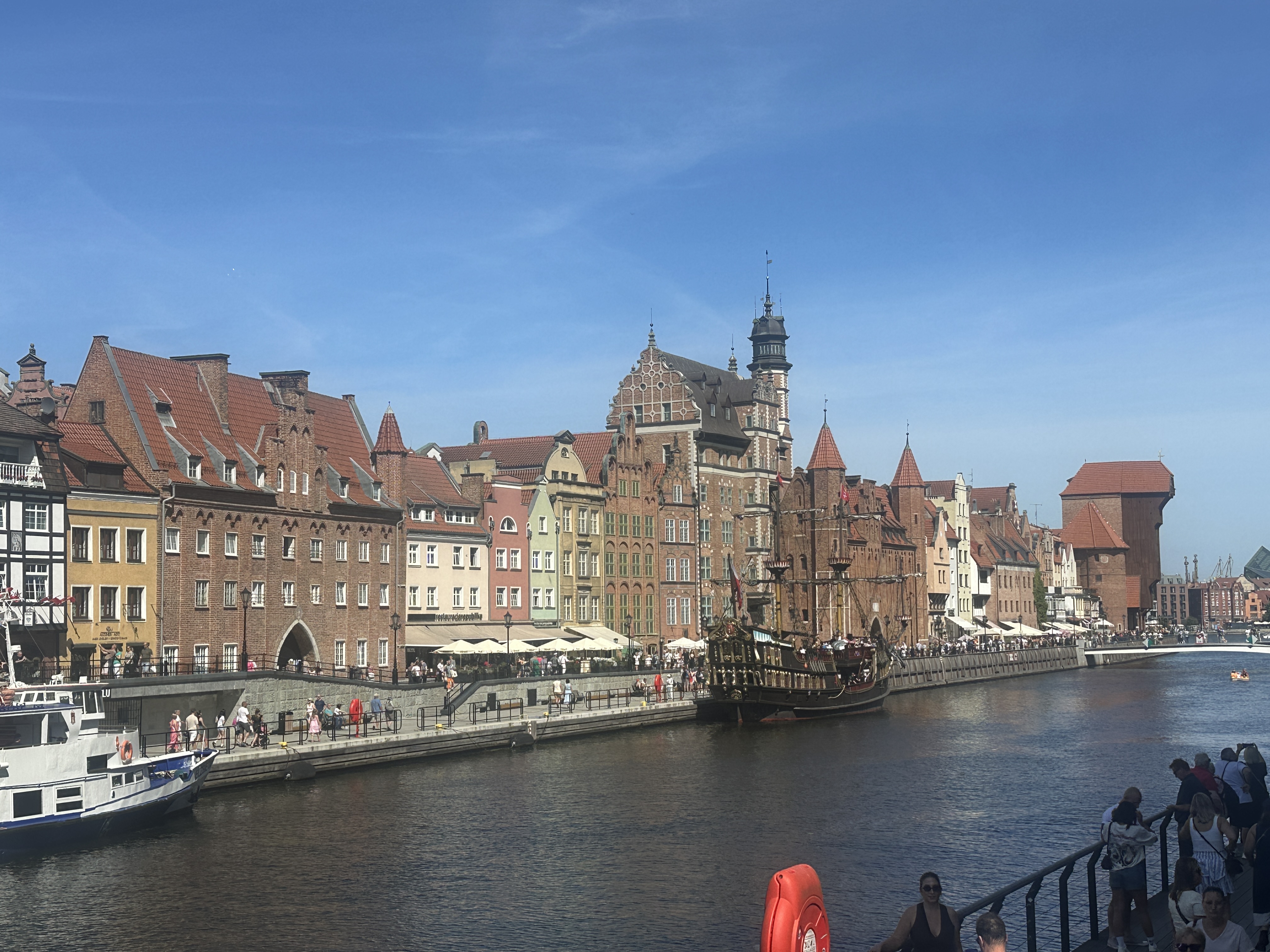
Finally, the impressions that wash over us as we enter the Old Town of Gdańsk (Danzig) are simply indescribable. Back in 2007, on my return journey from the North Cape, travelling from Russia and the Baltic States, I described this gem in detail. Here is a quote from that account, which still holds true today:
“Stepping into the Old Town thus becomes an unforgettable experience that once again brings tears to my eyes. … So today I become part of the army of tourists streaming through the Old Town, which … is crammed with stalls selling the usual trinkets and overrun by musicians, street performers and show-offs of all kinds. I try to look past the crowds and take in all the beauty of the Hanseatic architecture on display here in such a confined space – an almost hopeless, yet nonetheless exhilarating and fascinating endeavour:
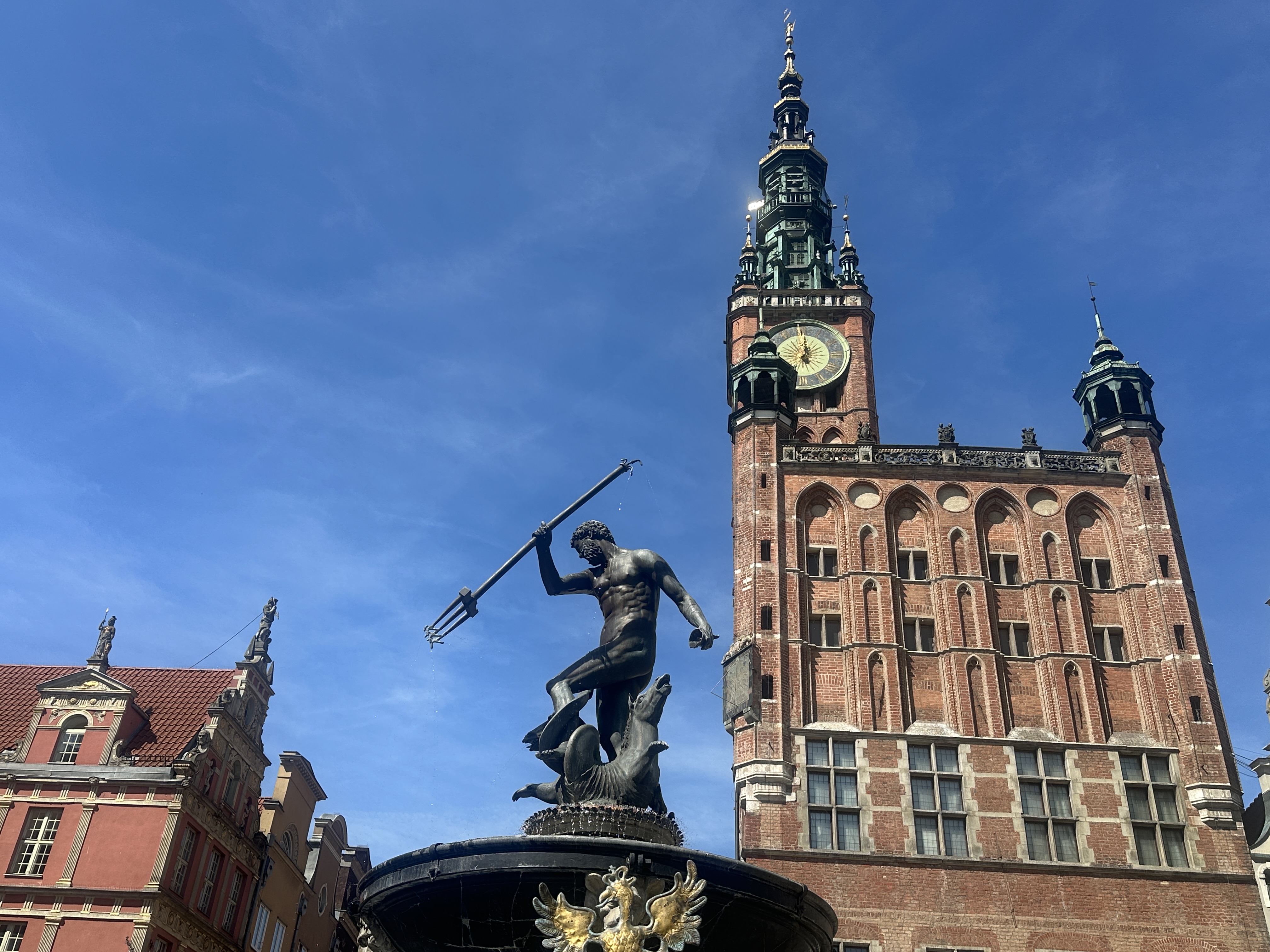
- the Long Street, with the Poseidon Fountain in front of the Renaissance Town Hall and its marvellous façades, many of which were built in the Dutch Mannerist style;
- St. Mary’s Lane, one of the most picturesque lanes in Europe, with the imposing St. Mary’s Church, from whose tower one can enjoy a magnificent view of the Old Town, the harbour and the hinterland of the lagoon;
- the Long Embankment, with its massive medieval wooden crane – said to be still fully operational – arguably Gdańsk’s most striking landmark.“
As the photos shown at the time were compromised by a hacker attack, here are a few highlights once again:
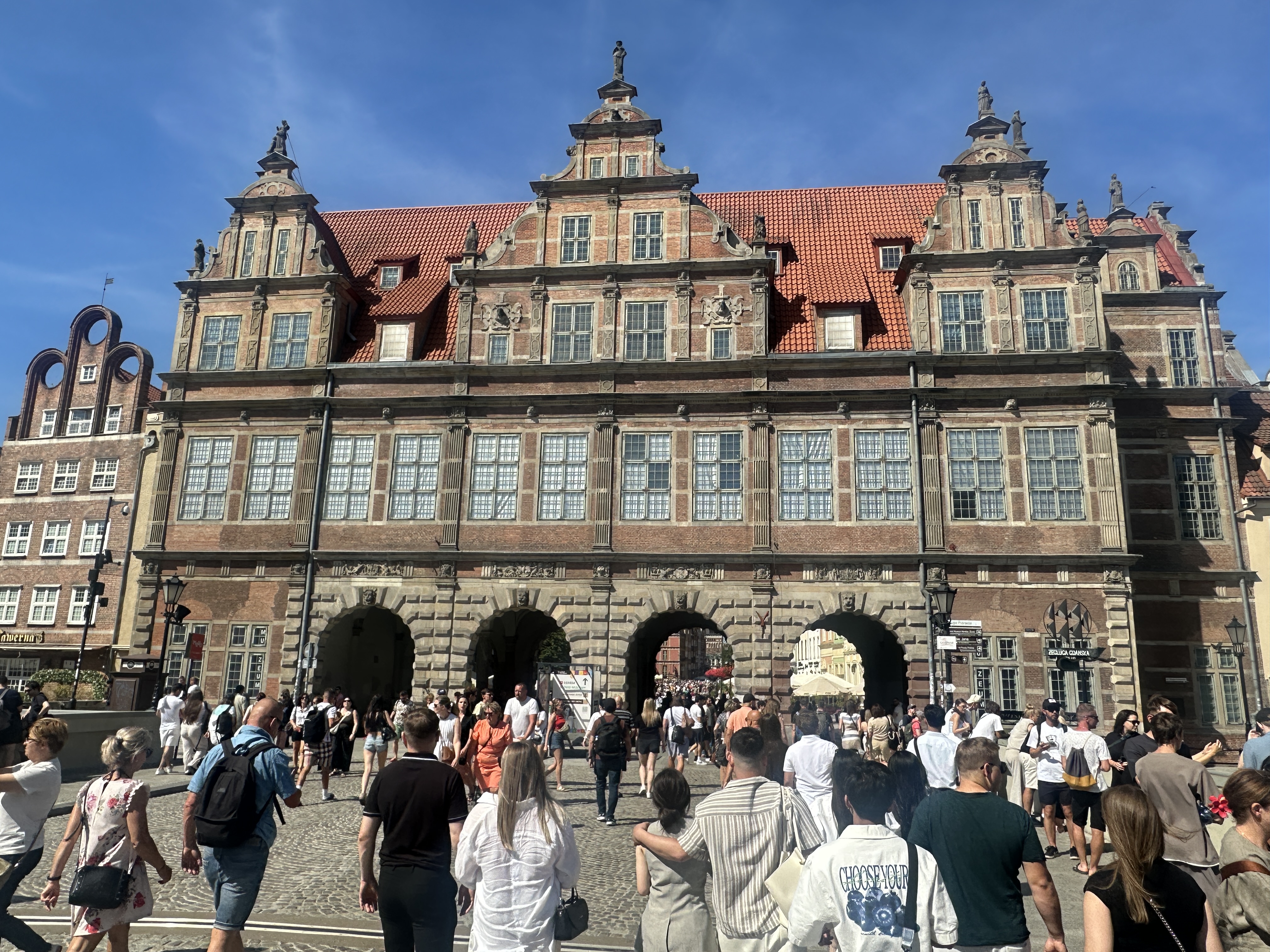
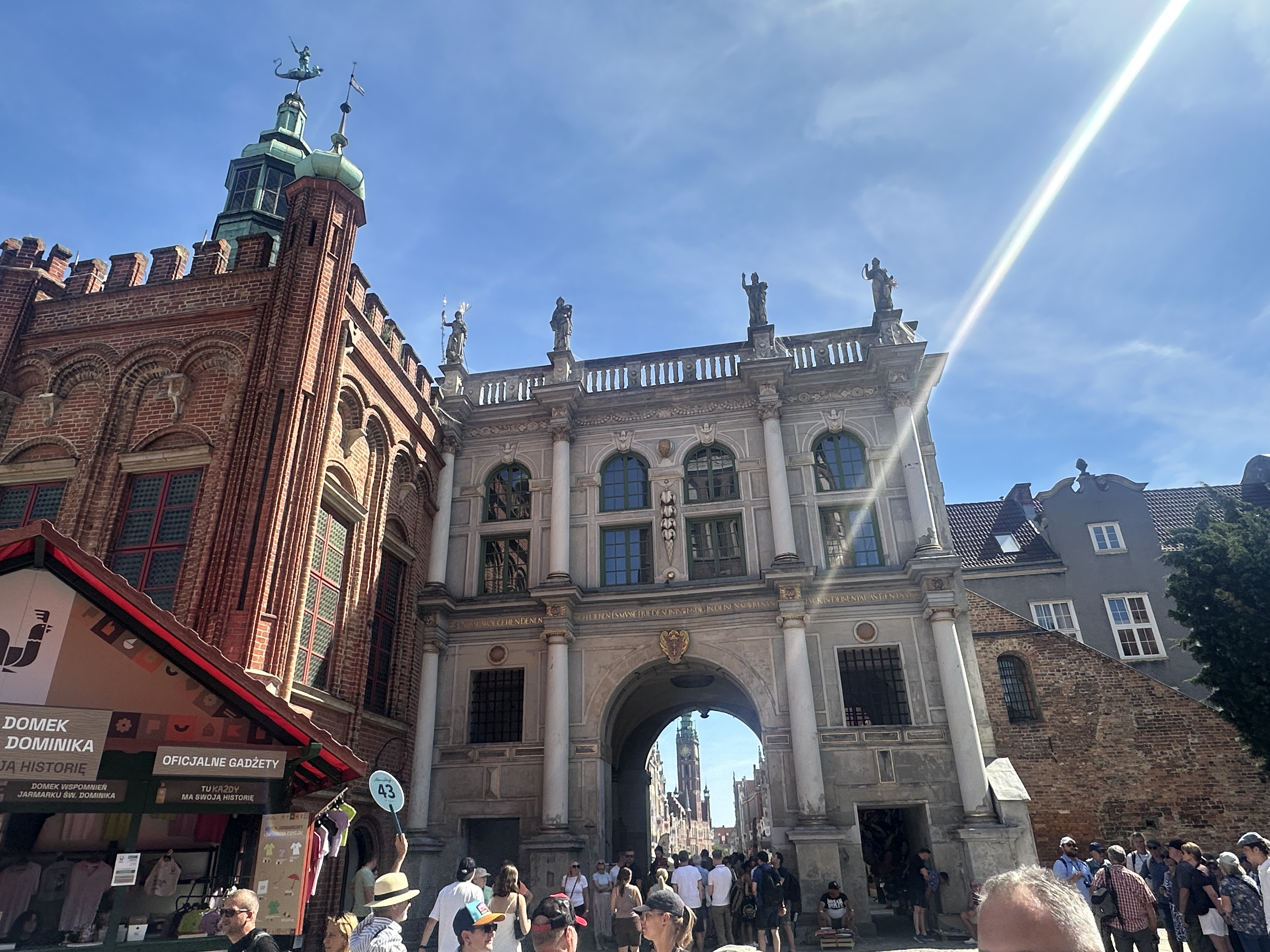
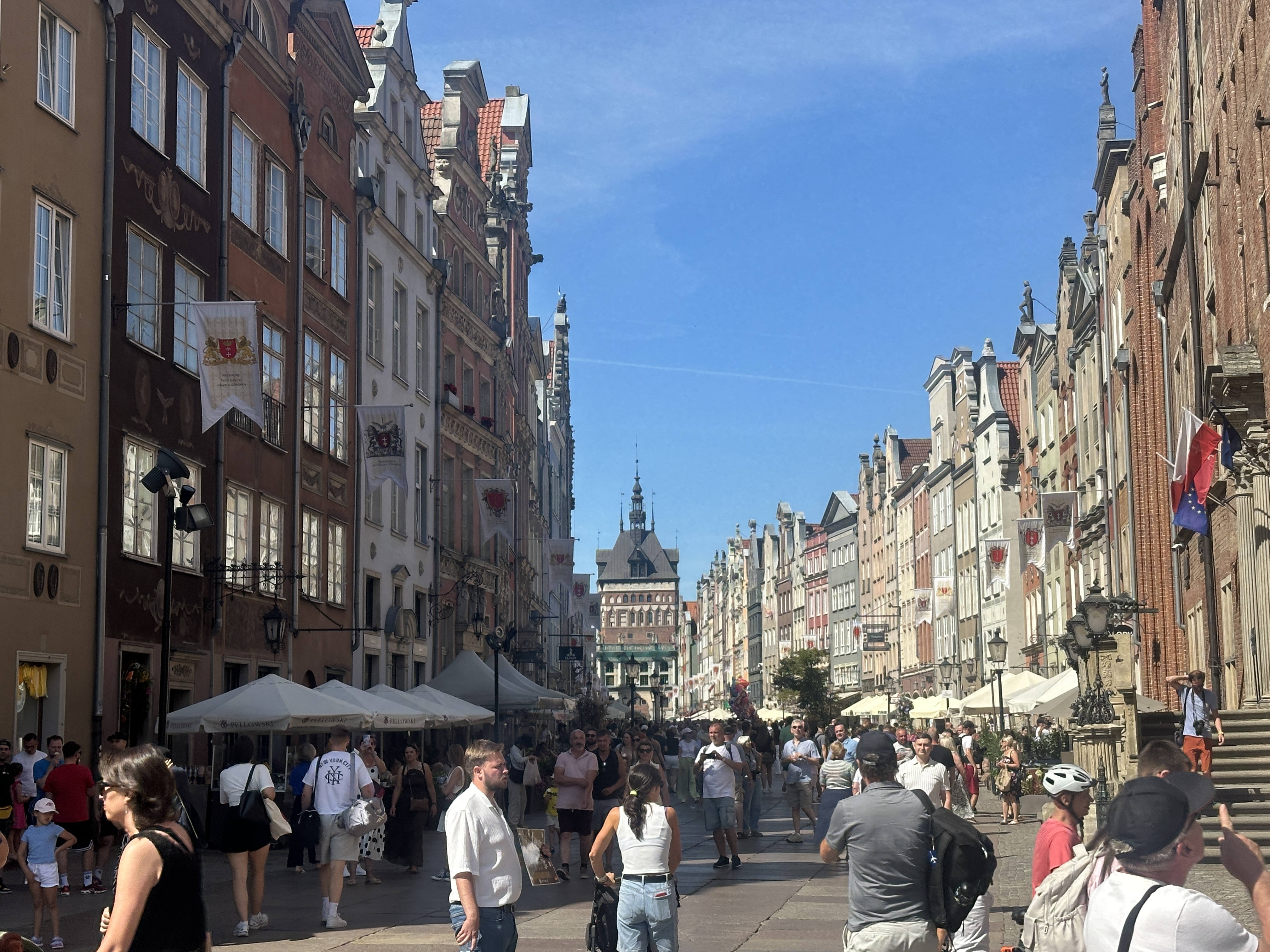
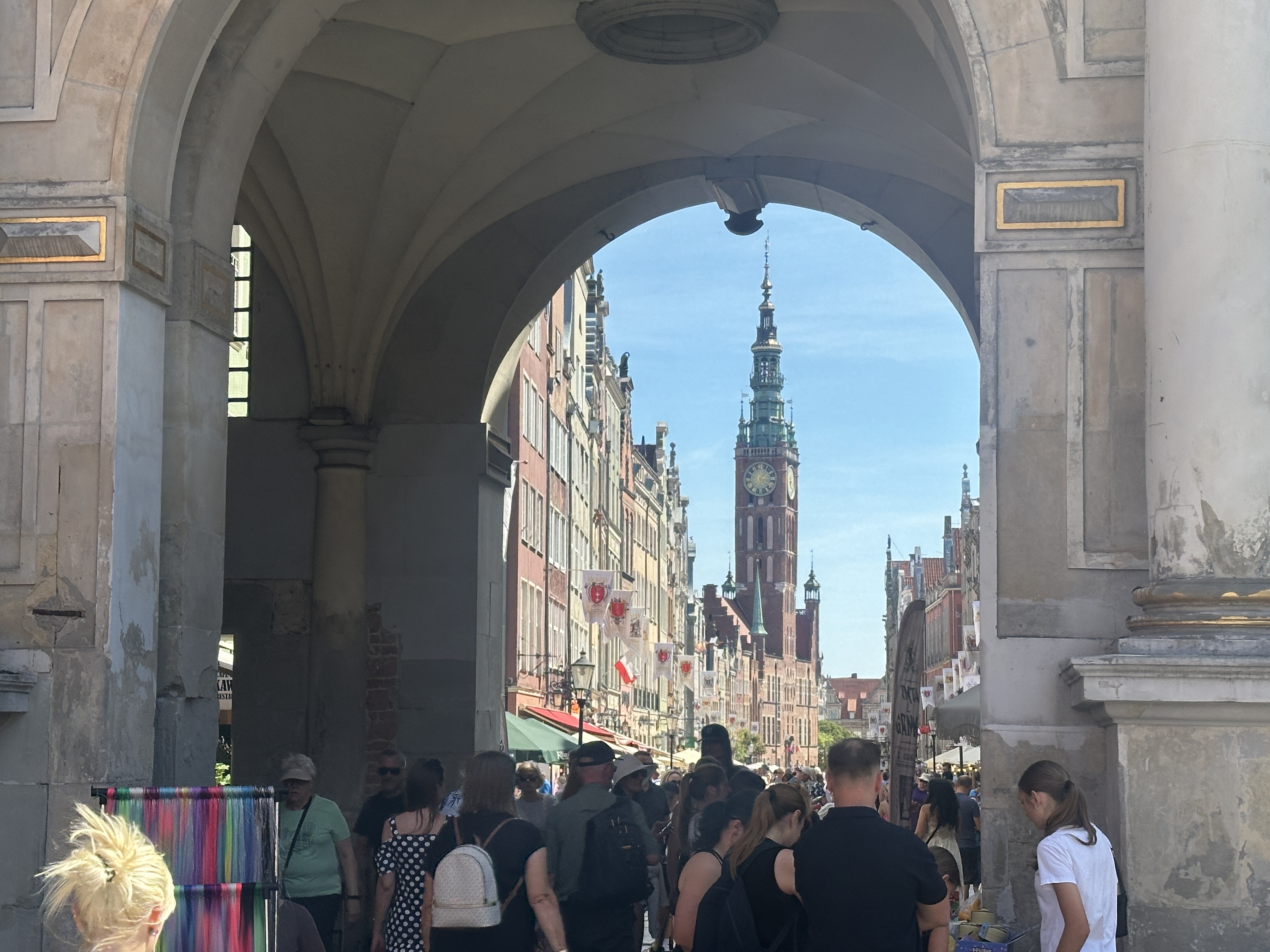
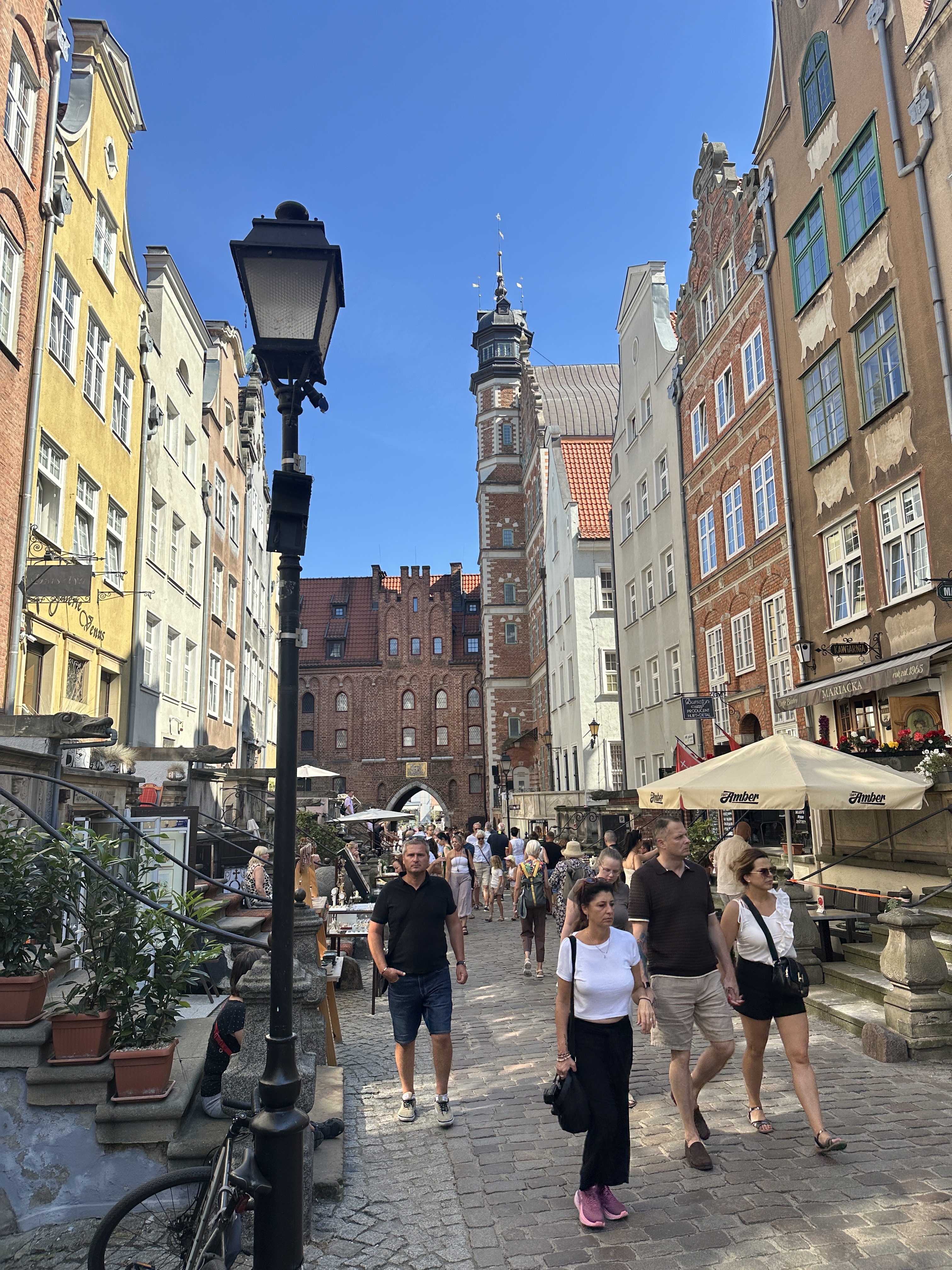
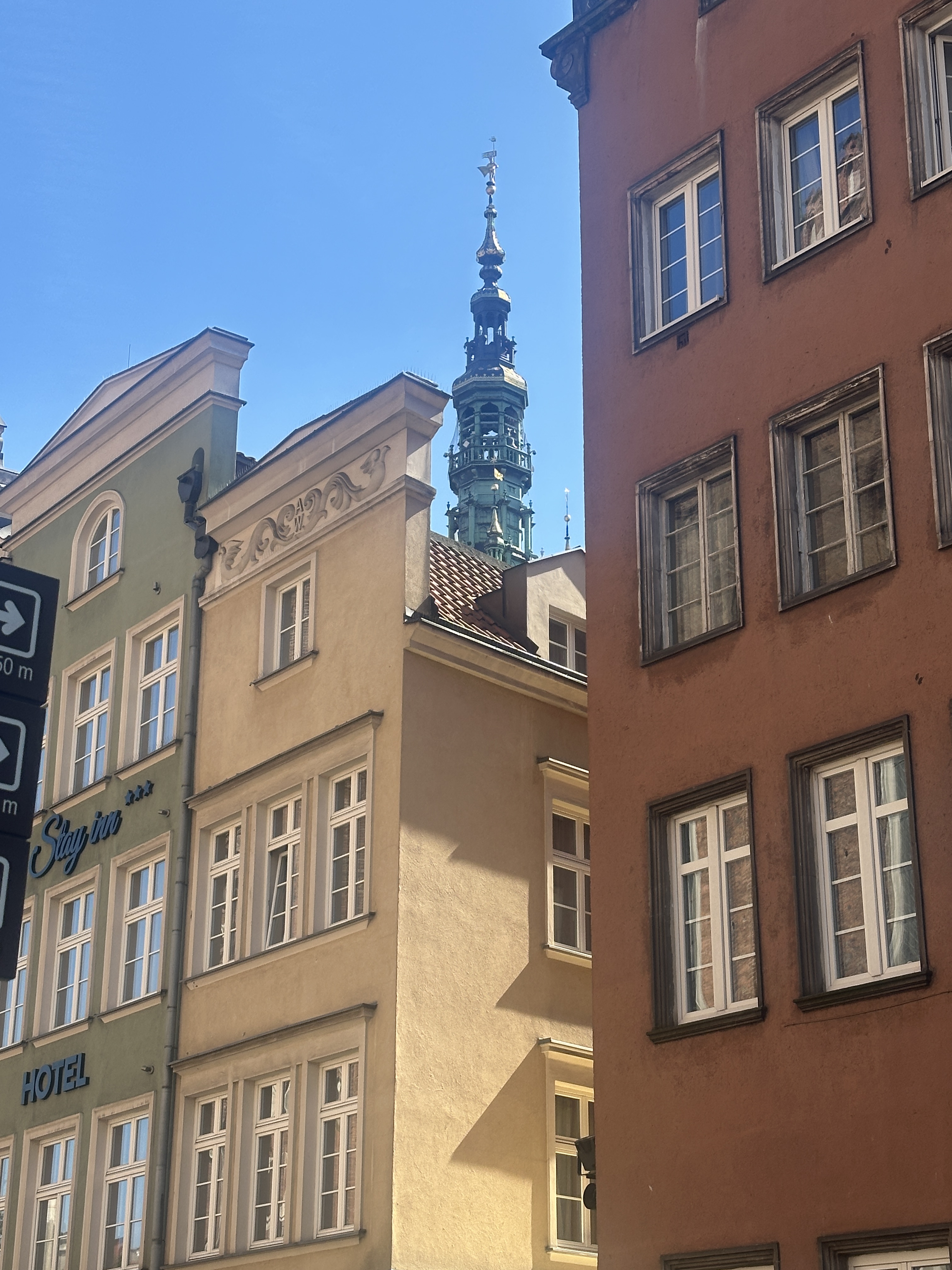
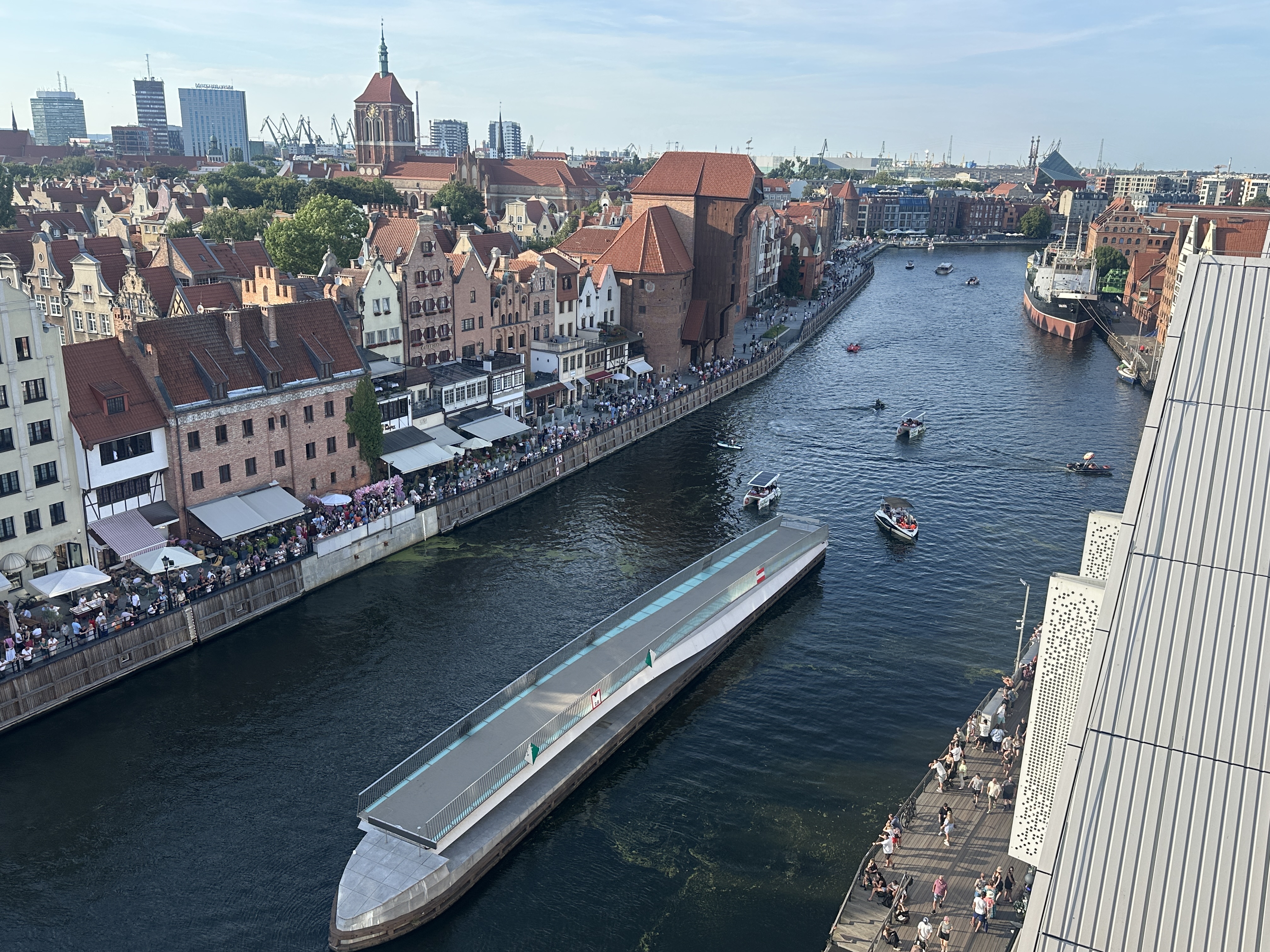
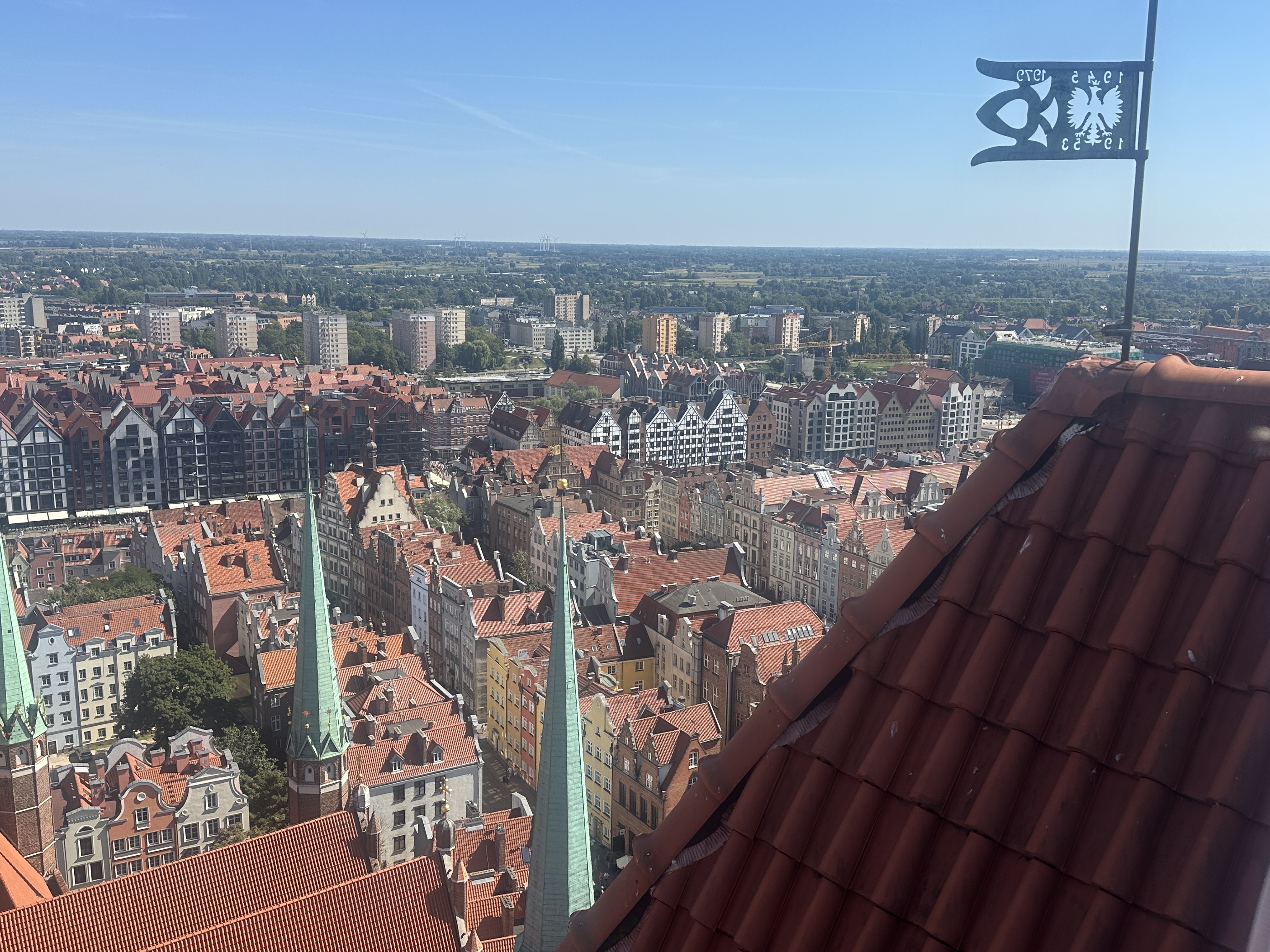
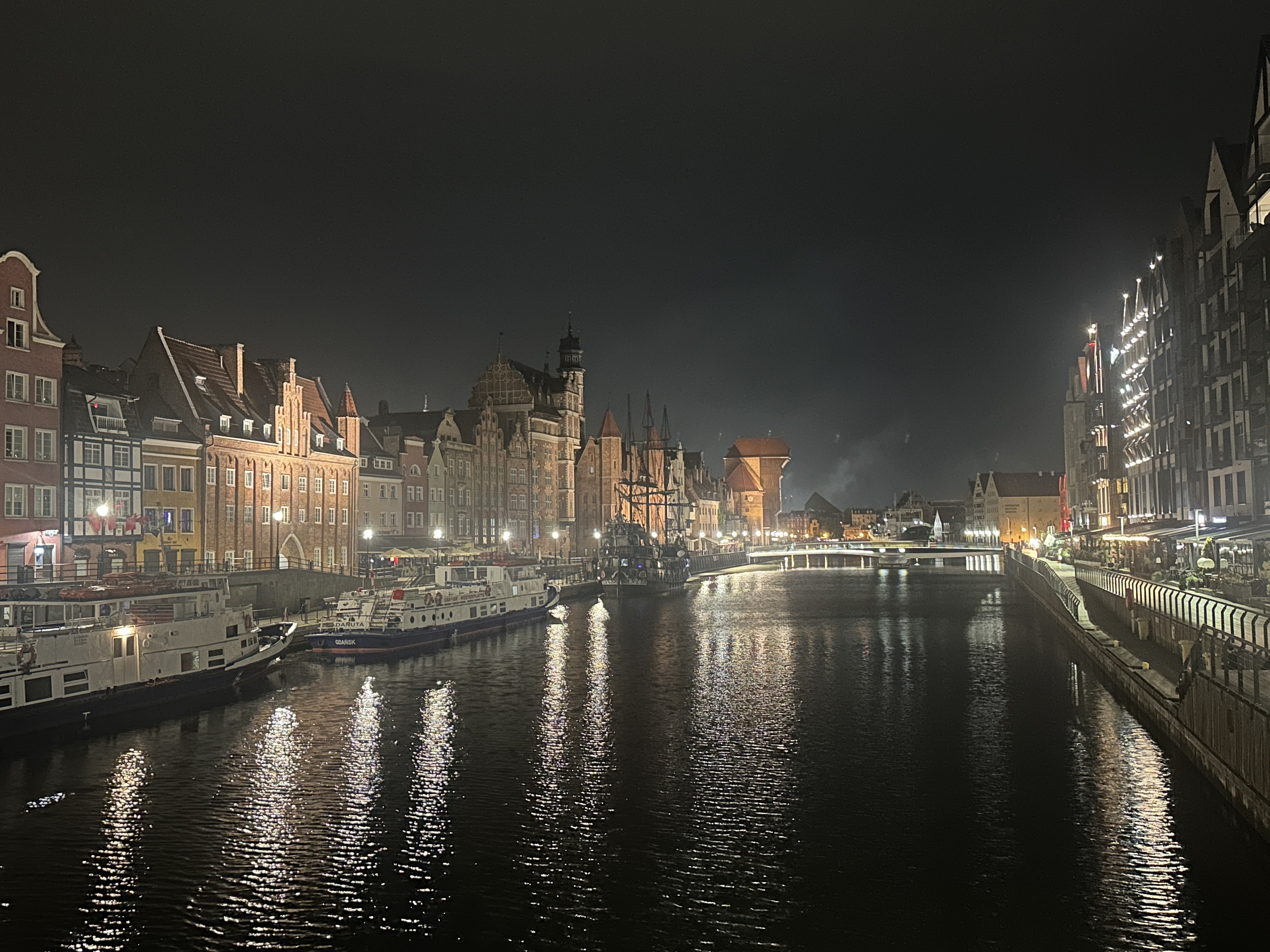
Gdańsk marked the end of our five-week cycling tour – a journey full of new experiences for Astrid and lovely memories of previous wonderful discoveries for me. I won’t go into detail here about the adventure of the subsequent return journey on Deutsche Bahn – that would require a chapter of its own; suffice to say that the 16-hour journey we’d originally booked finally came to an end after 29 hours. Thanks – Deutsche Bahn!