On reverse tracks
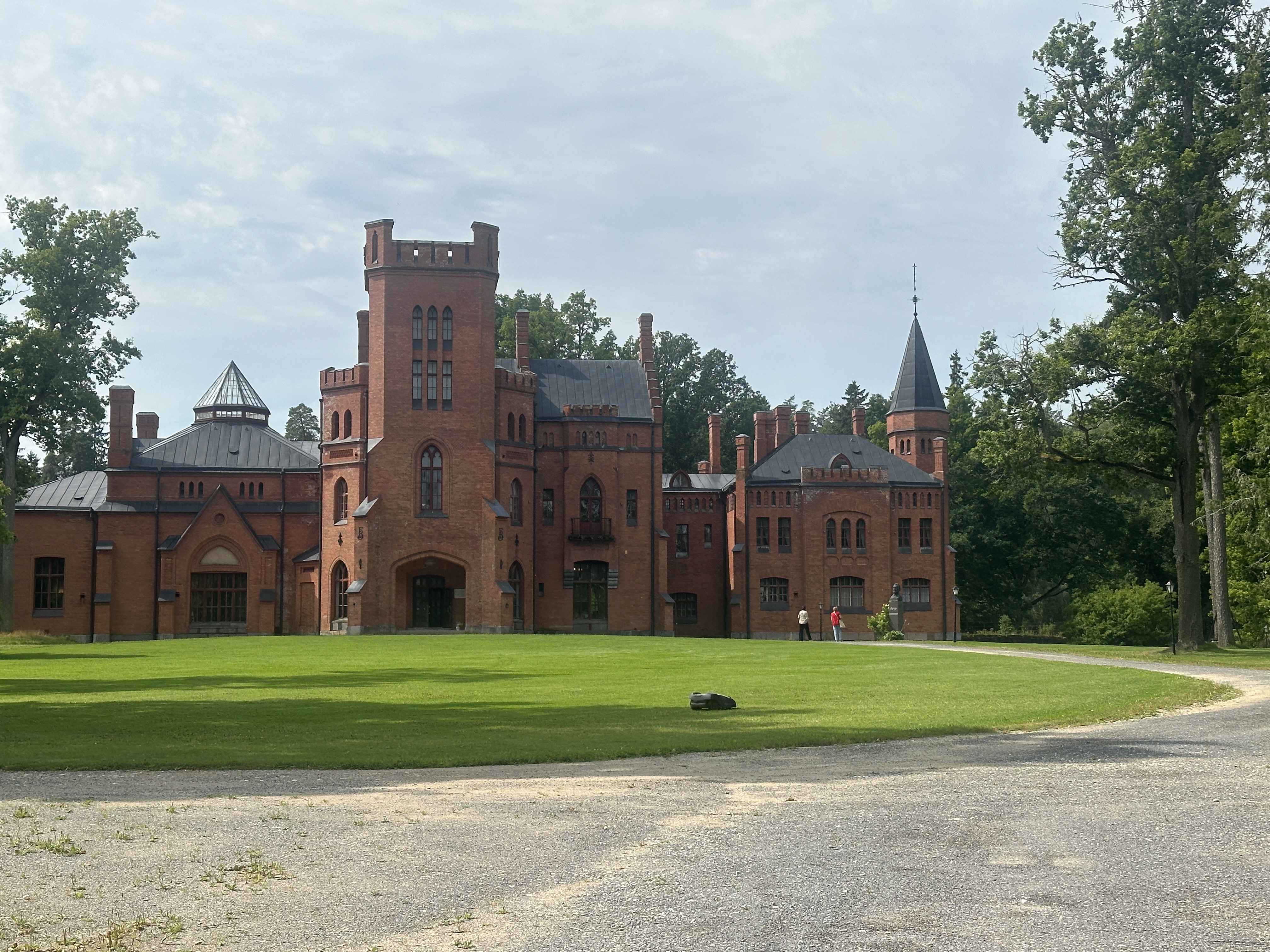
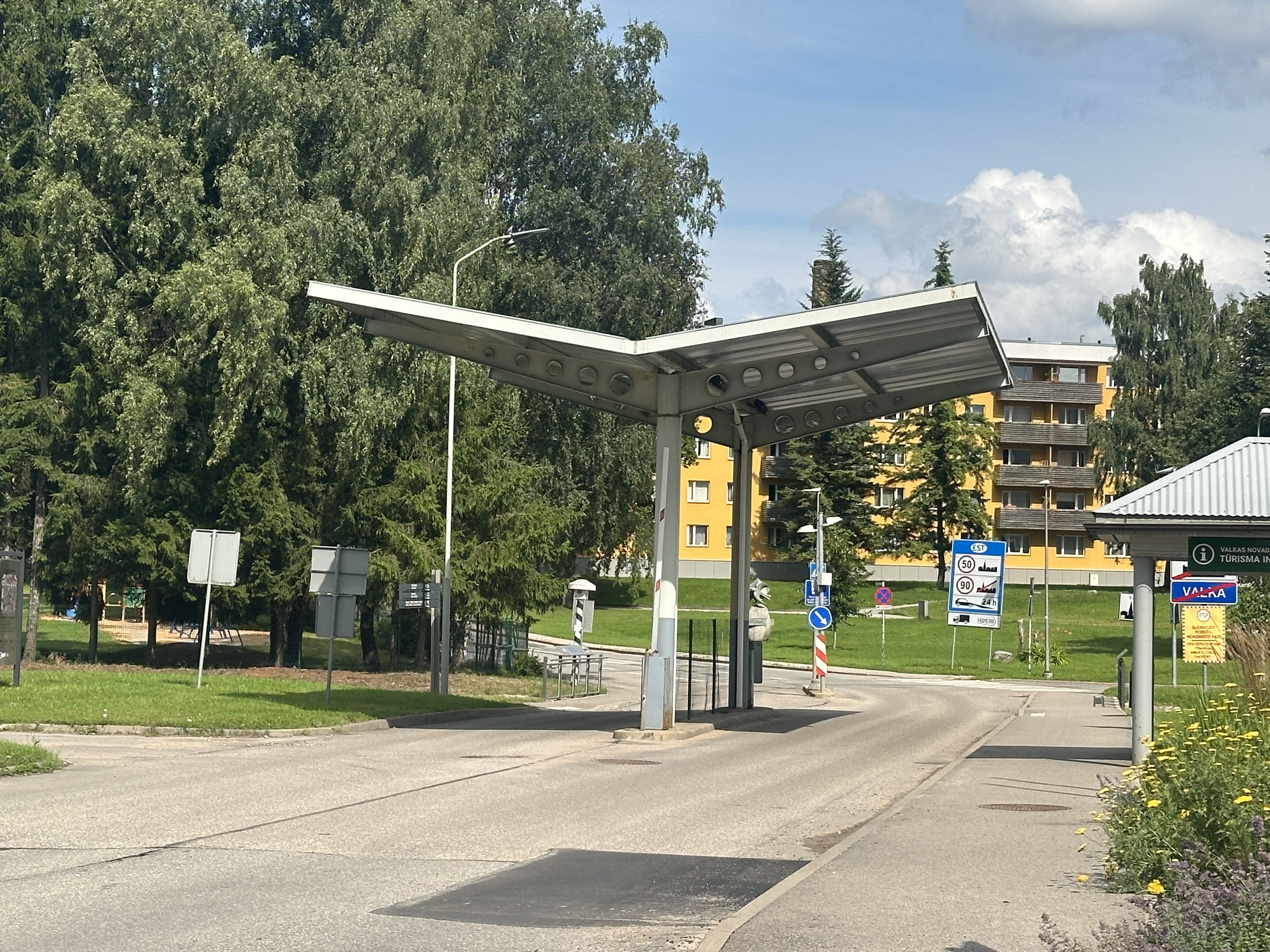
Unlike on my Baltic tour in 2024, we are now travelling north to south, past Sangaste Castle – built in the Victorian style at the end of the 19th century – and through the ‘double’ border town of Walk (Valga in Estonian, Valka in Latvian) into Latvia, which, with a population of 1.9 million, is the second-largest of the three Baltic countries after Estonia (1.4 million) and Lithuania (2.9 million).
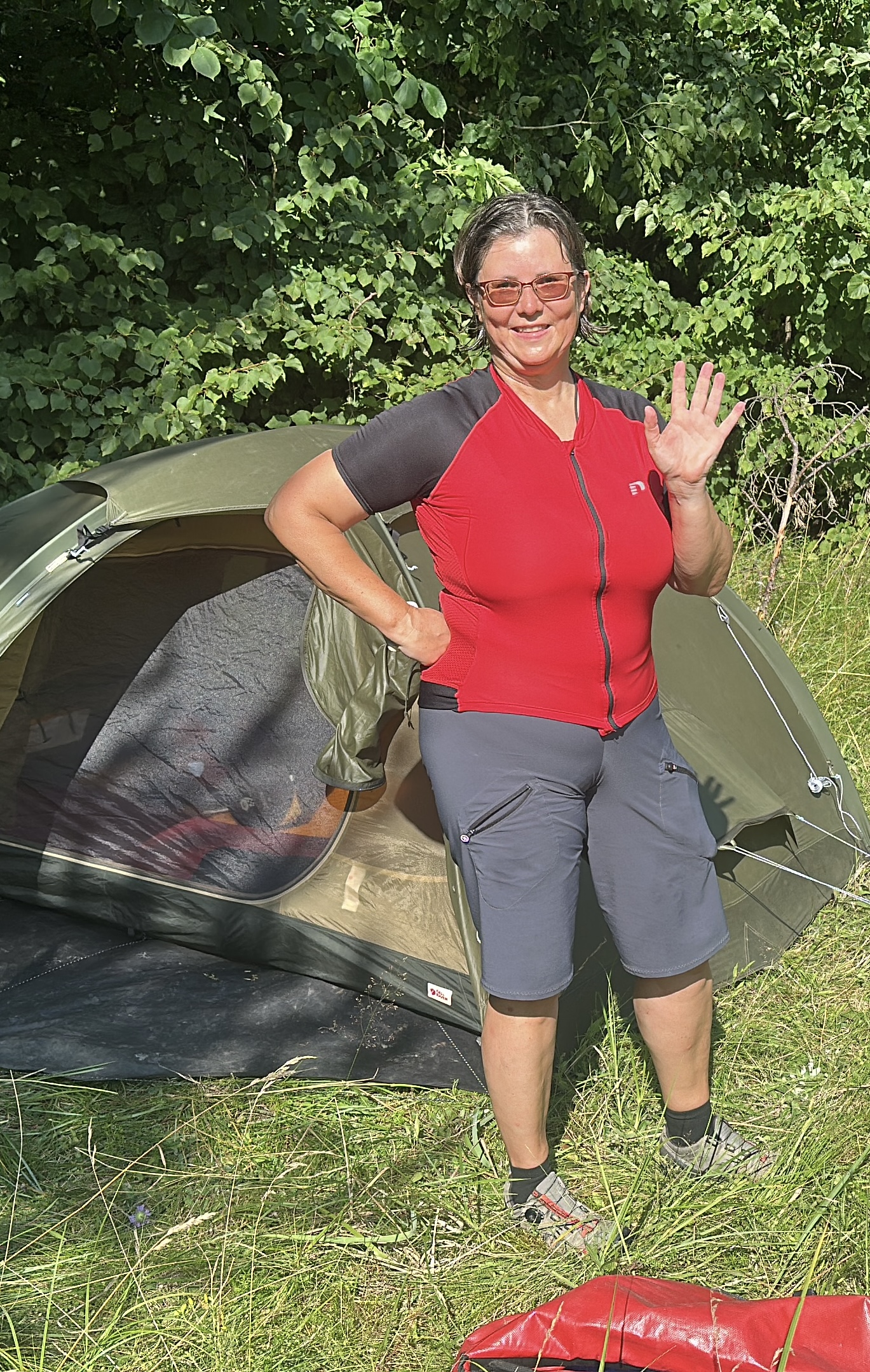
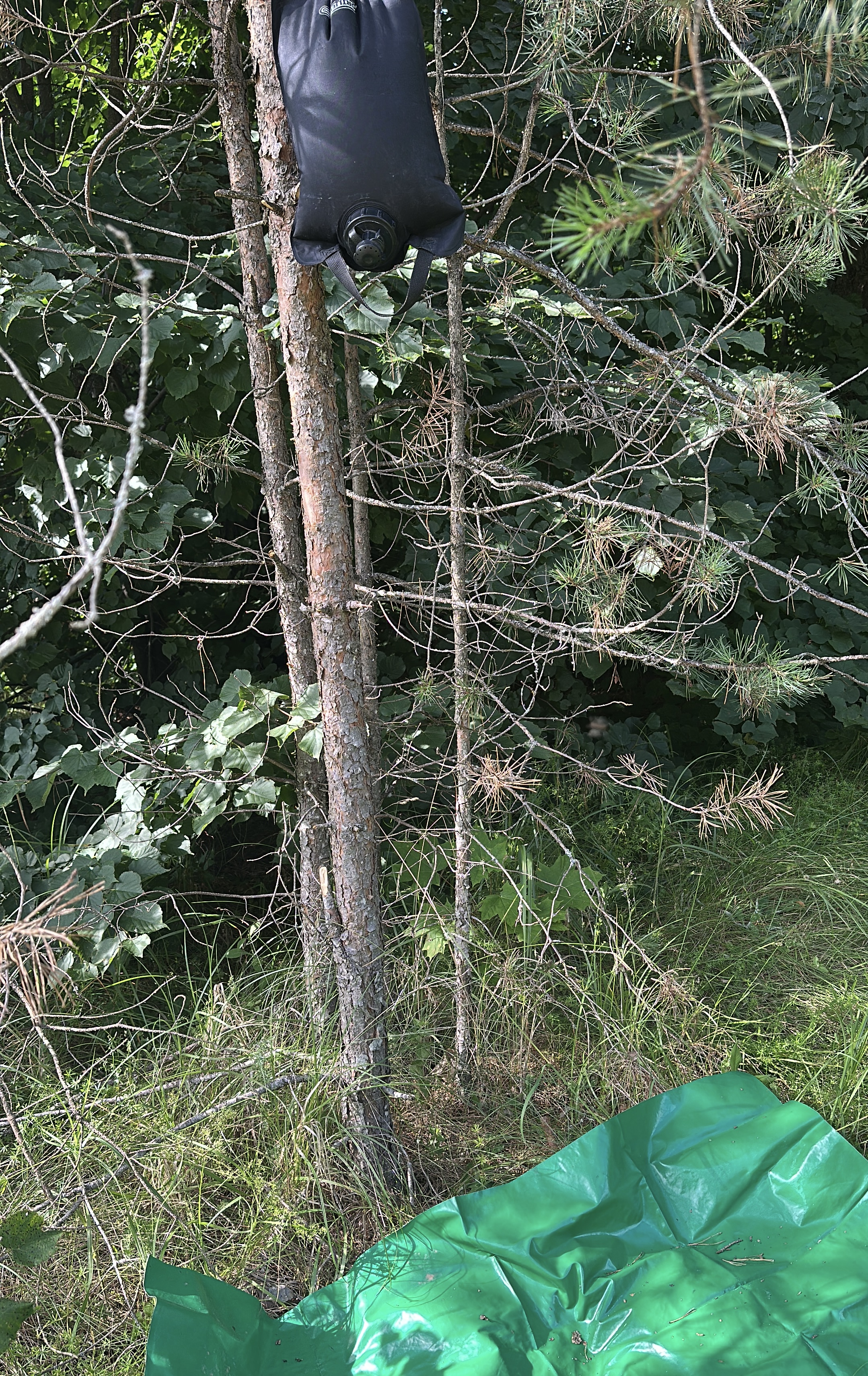
A lovely, but rather spoilt by fierce attacks from mosquitoes and horseflies, wild campsite on the edge of the forest is where we’re staying for our first night. Despite the open-air shower I’ve set up, Astrid’s enthusiasm for the place is clearly rather limited:
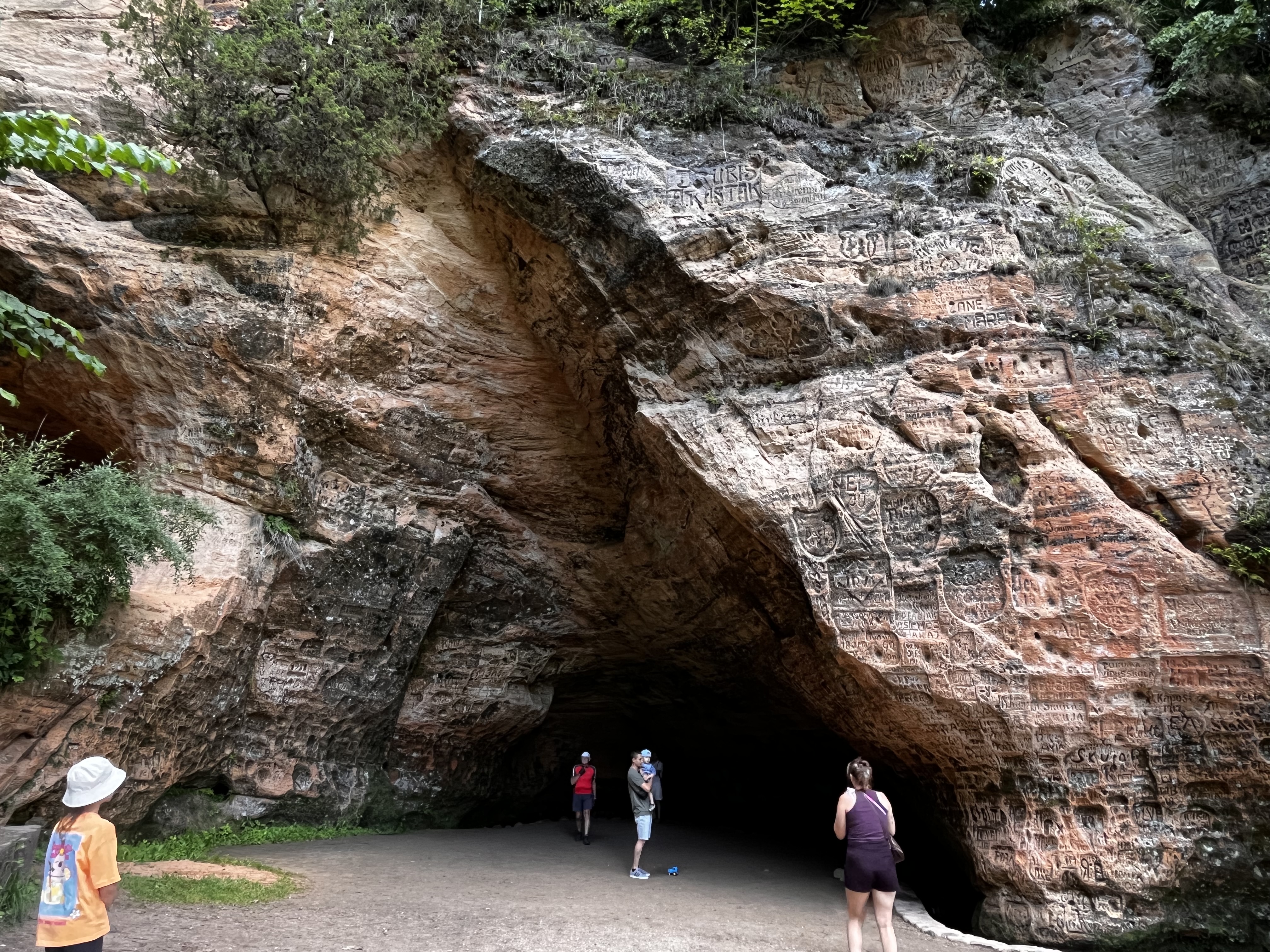
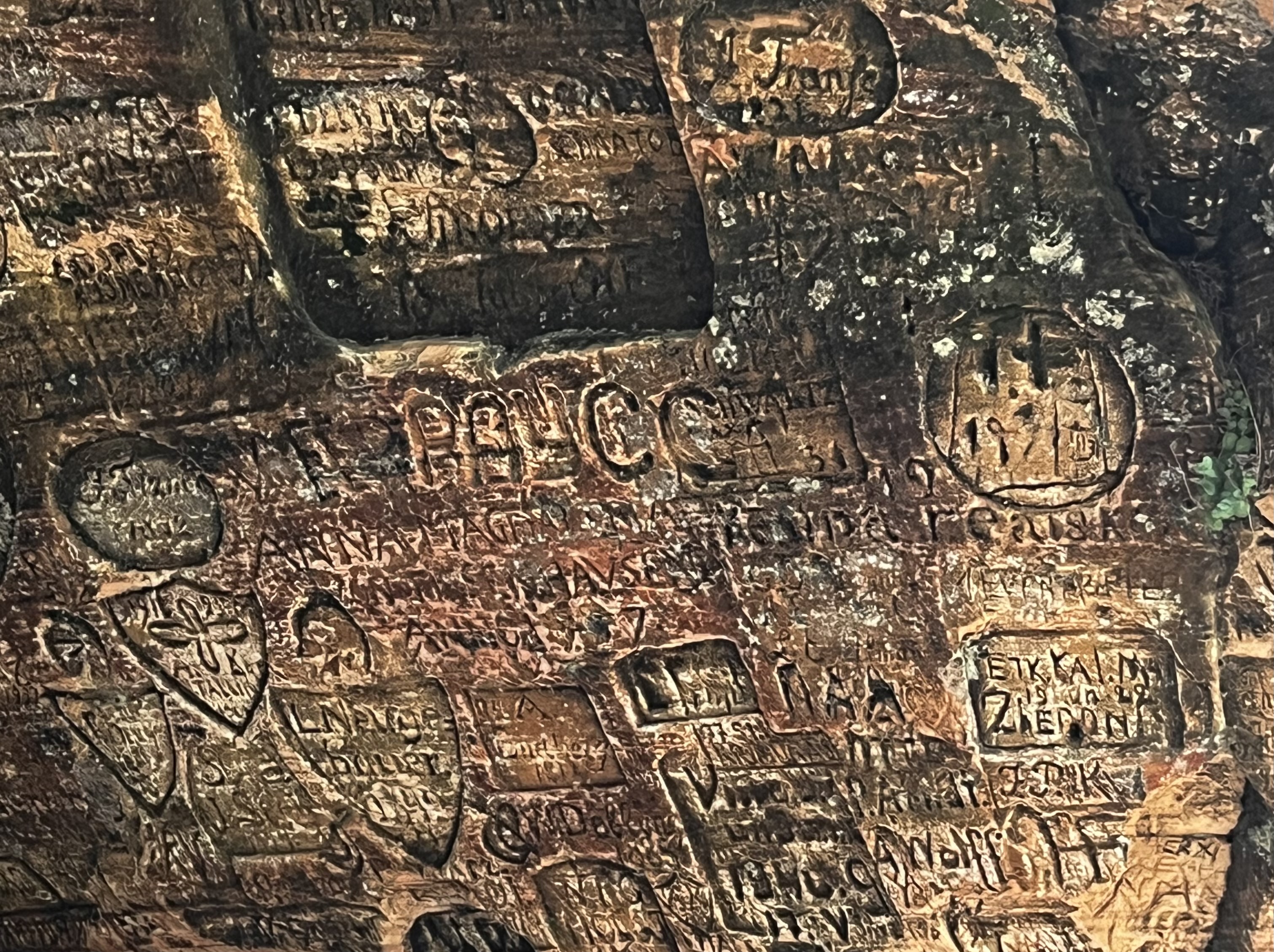
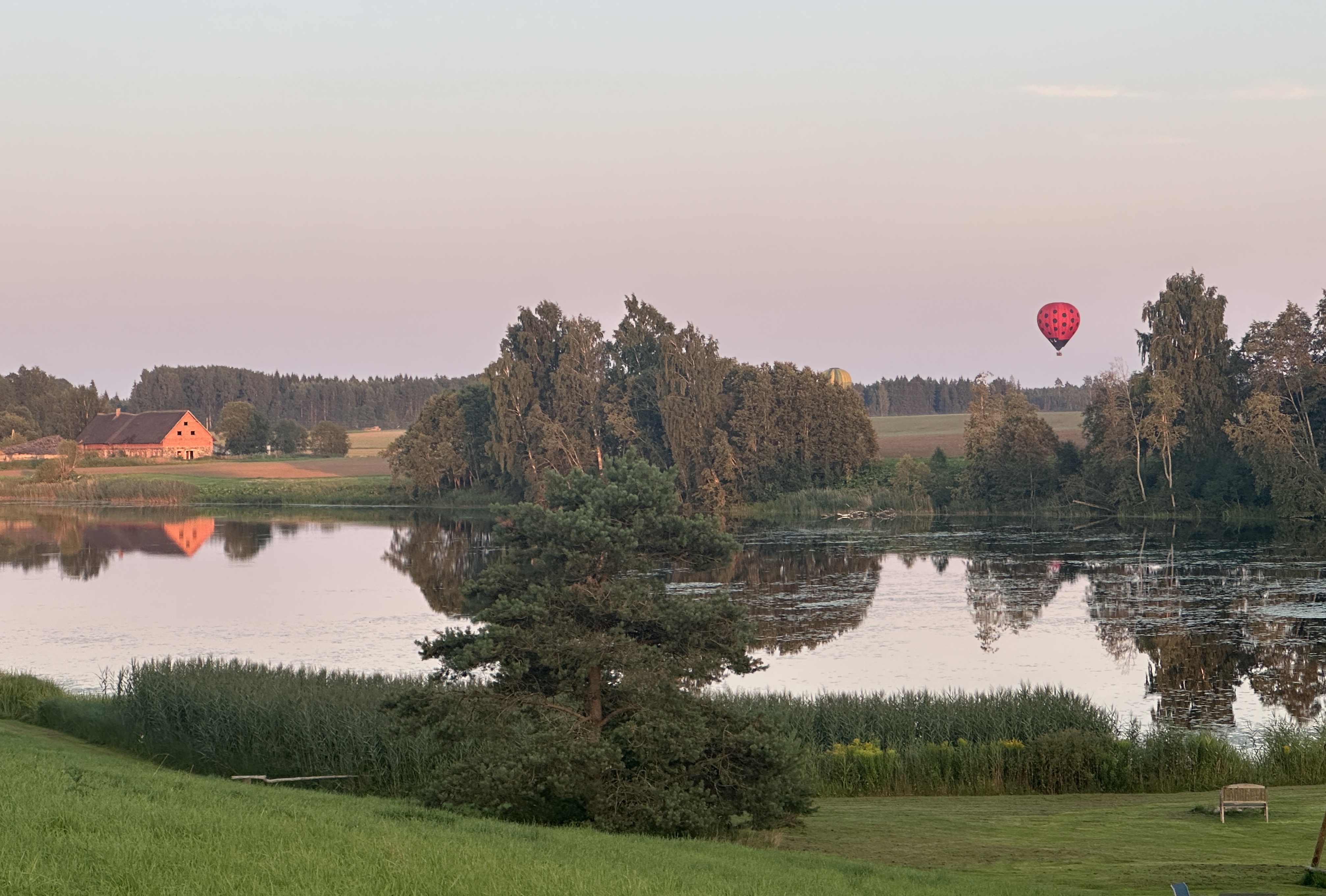
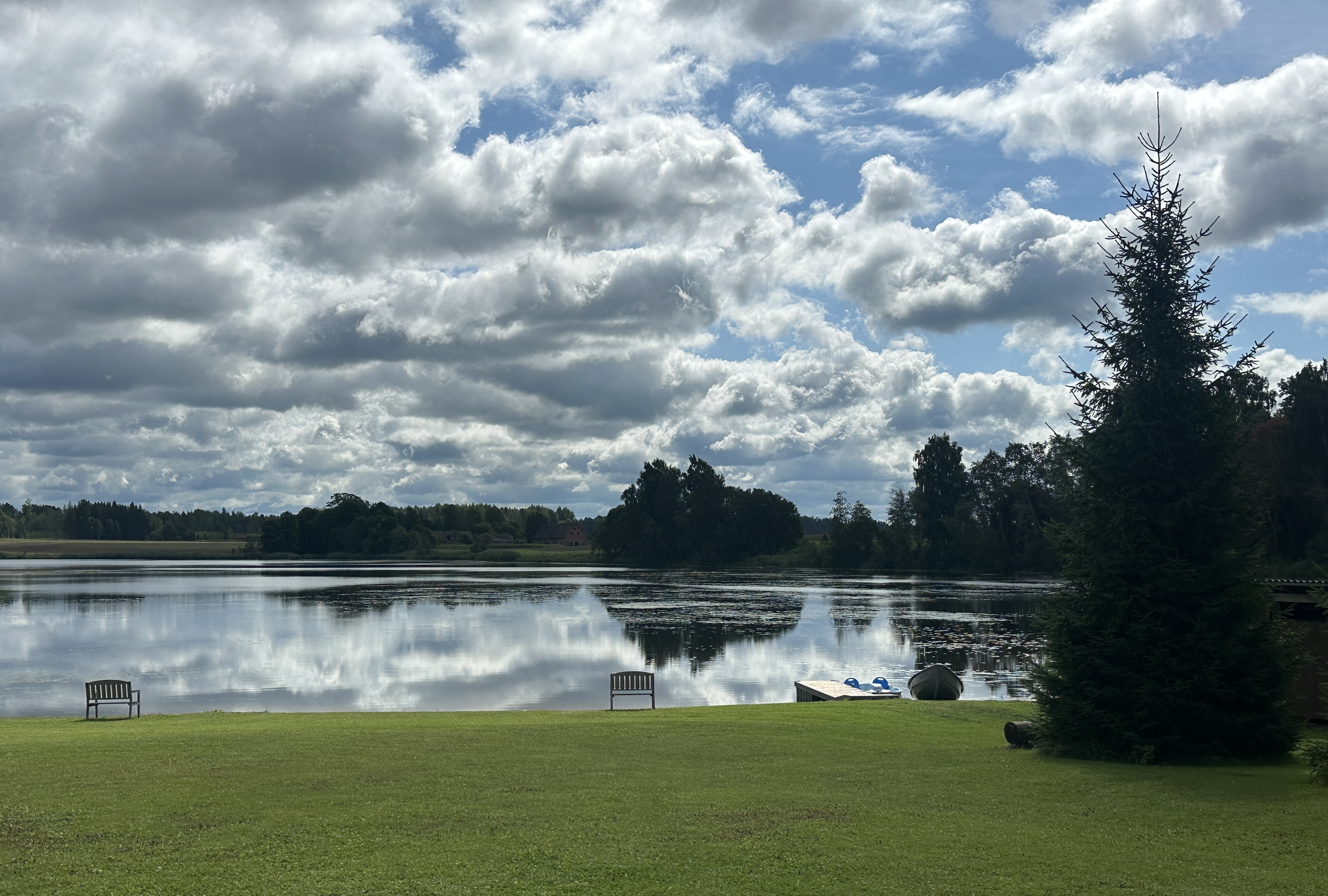
The wonderful Lakeside Camping on the outskirts of Sigulda – set in beautiful, surprisingly mountainous countryside – more than makes up for the evening and the impromptu rest day, offering a warm welcome, a lovely swimming lake and almost perfect comfort. Before that, however, we visit Gutmann’s Cave, followed by the gruelling 1.5 km climb with gradients of up to 12 per cent – which we both successfully tackle, to the loud applause of the locals
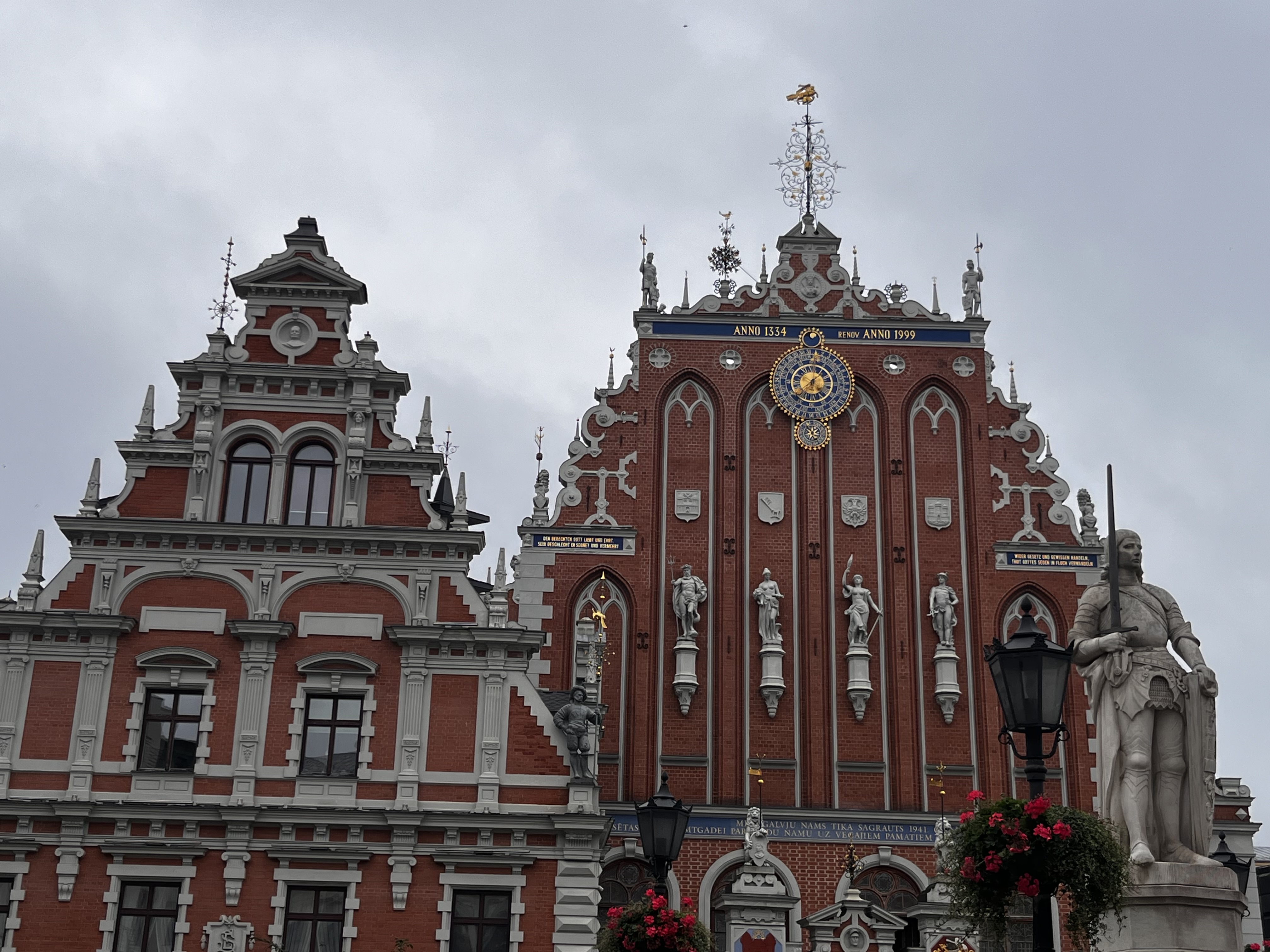
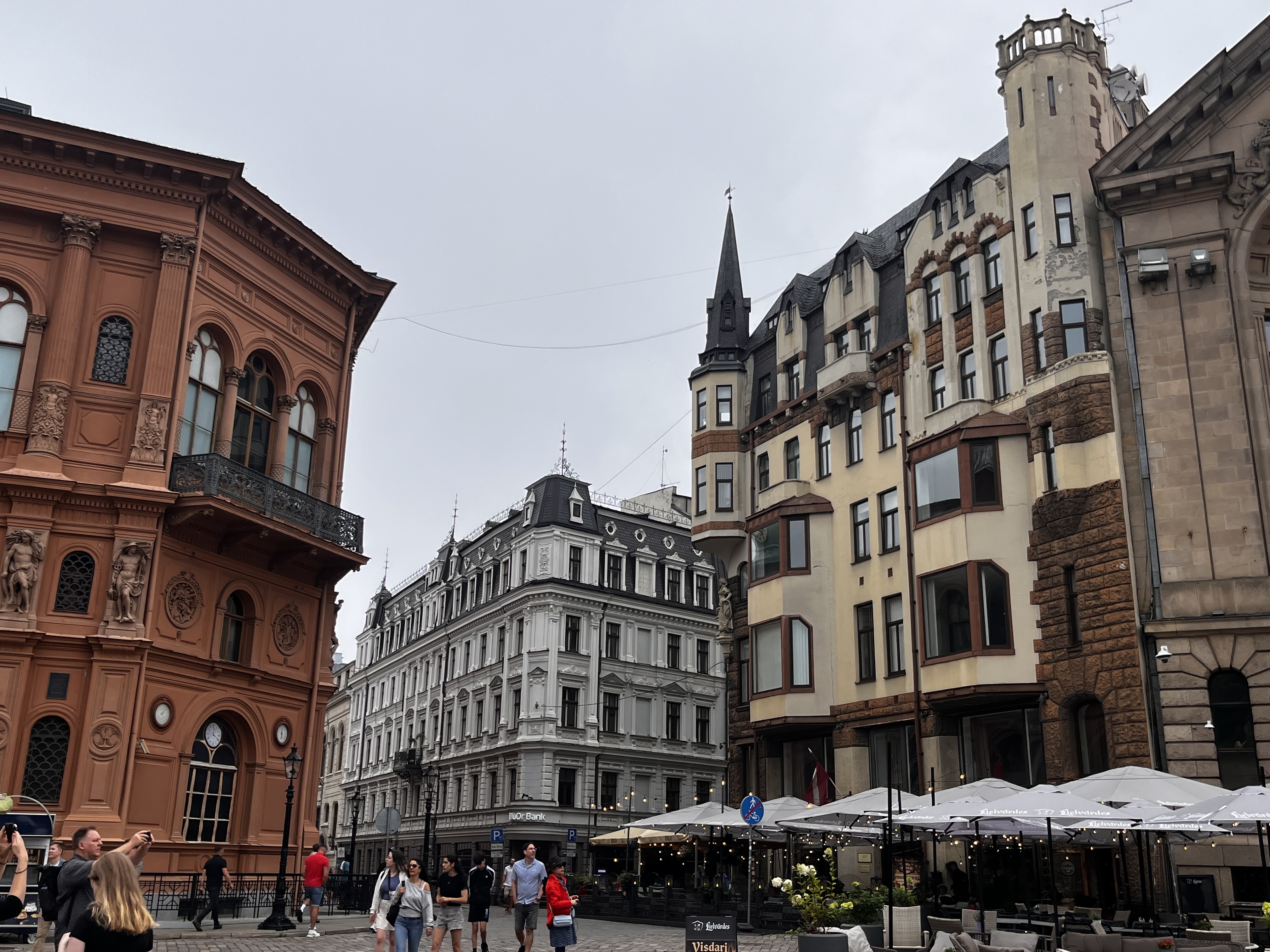
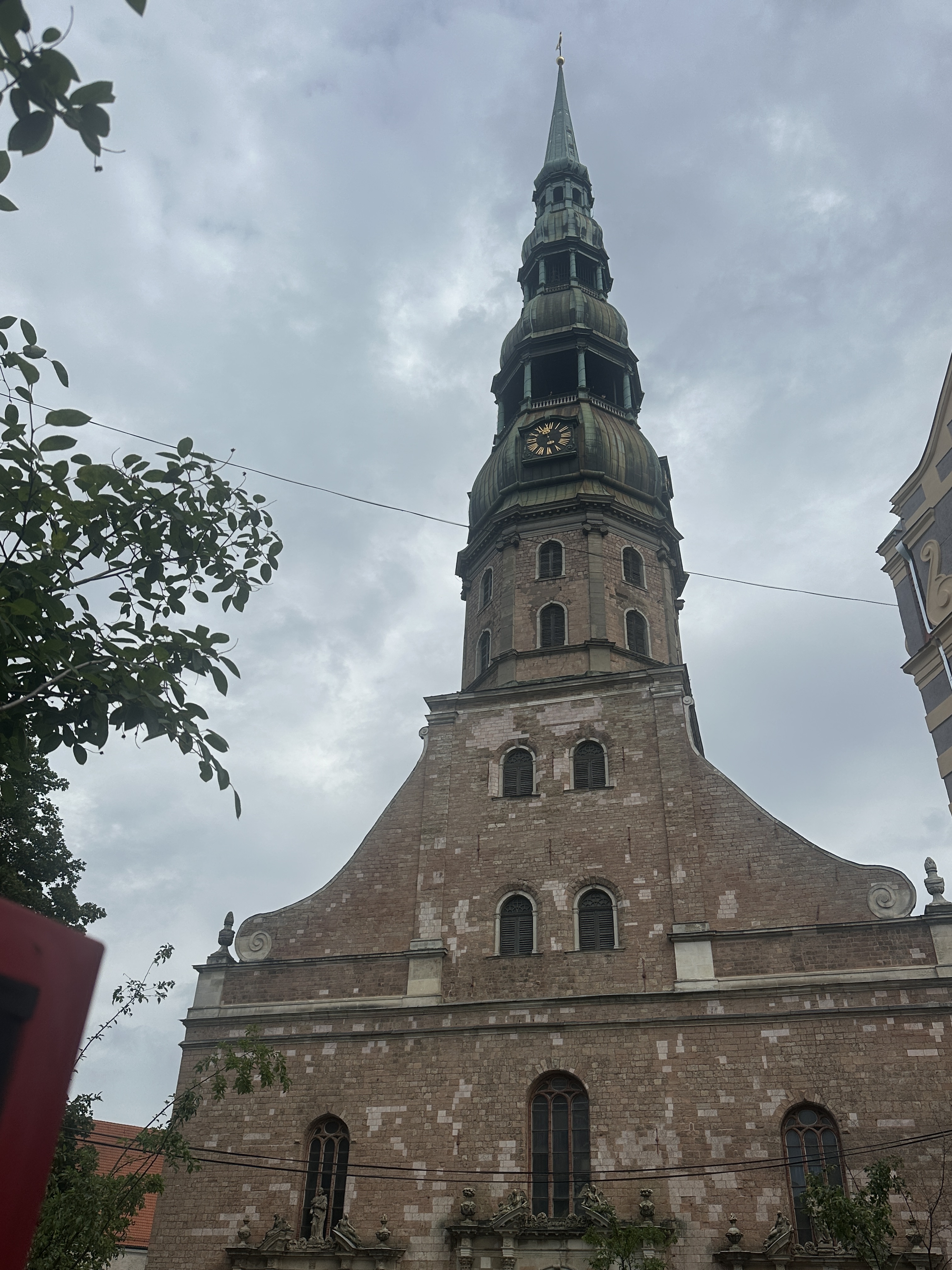
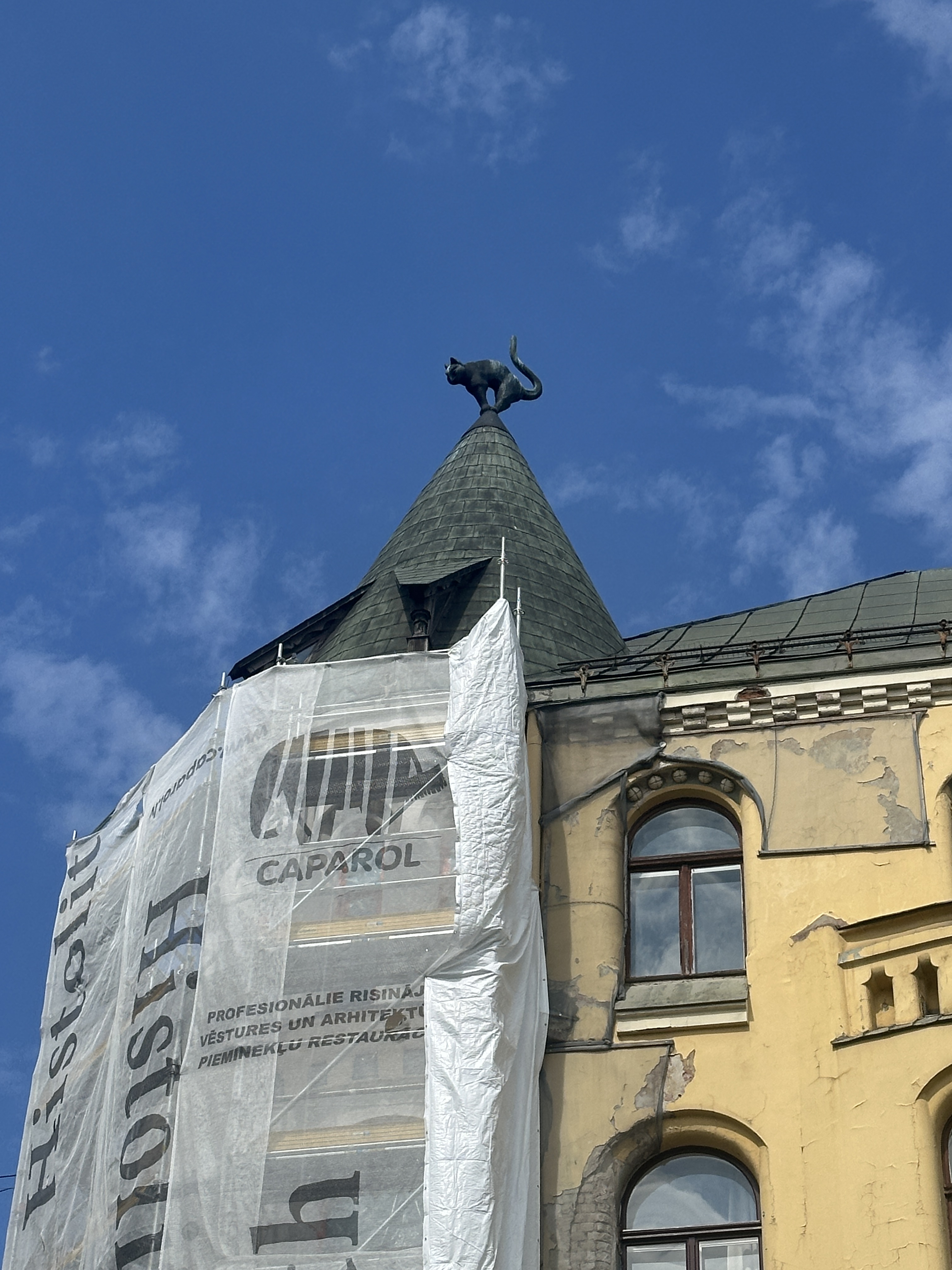
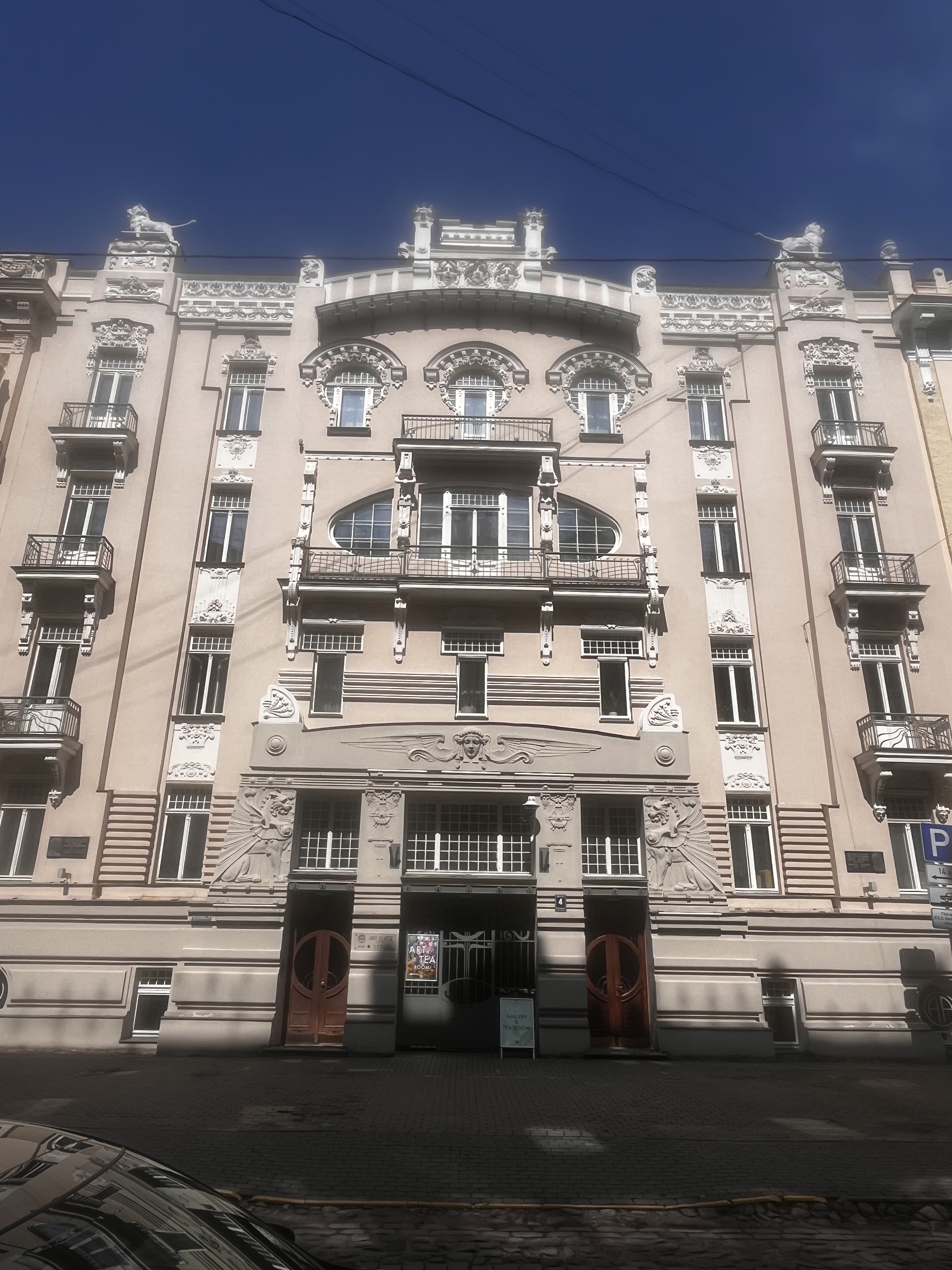
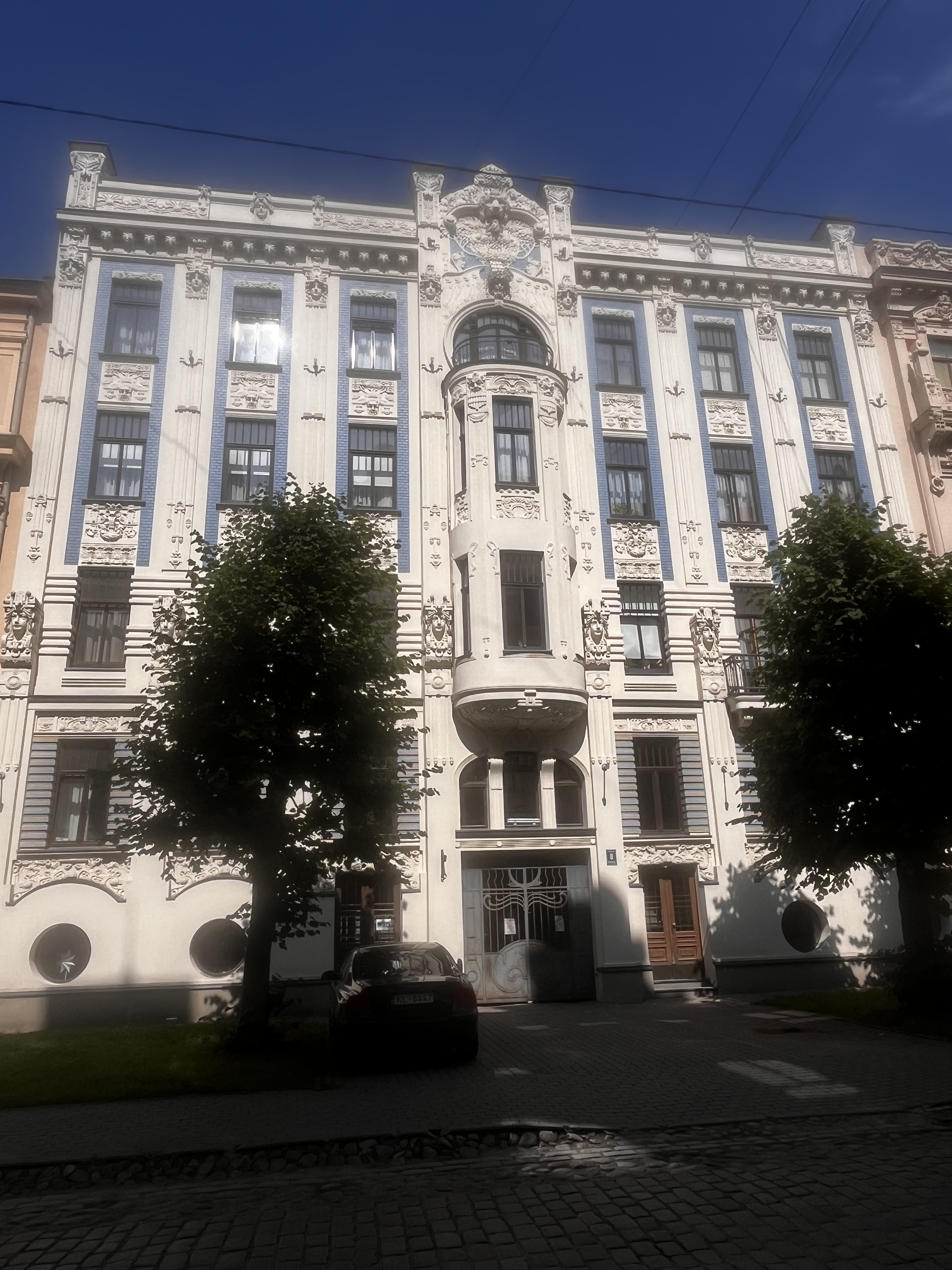
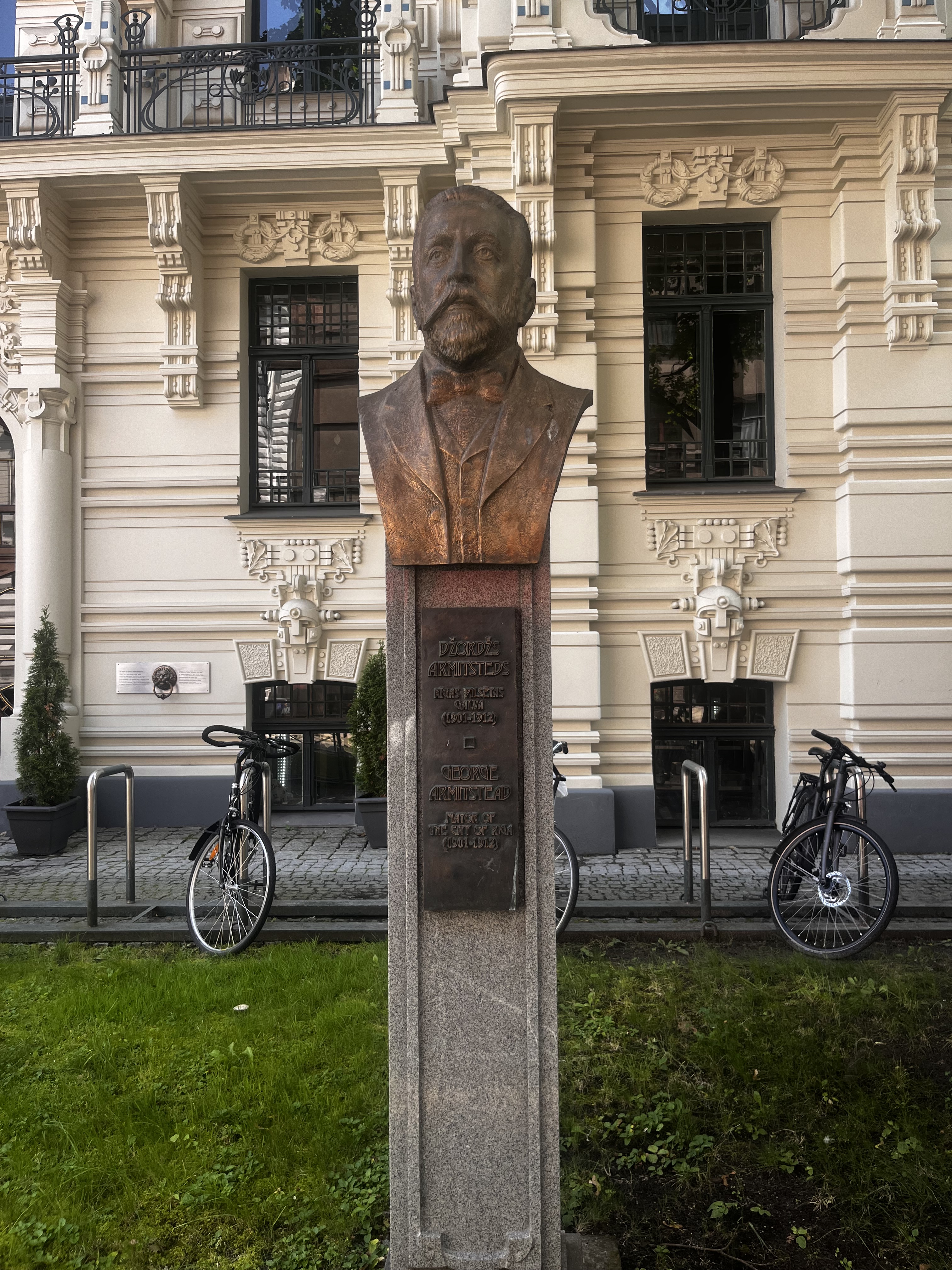
It is with a heavy heart that we set off for the Pearl of the Baltic, Latvia’s capital Riga, to visit its Old Town, a UNESCO World Heritage Site, where we plan to spend a day. I have already written about this in detail here, so I won’t go over it again.
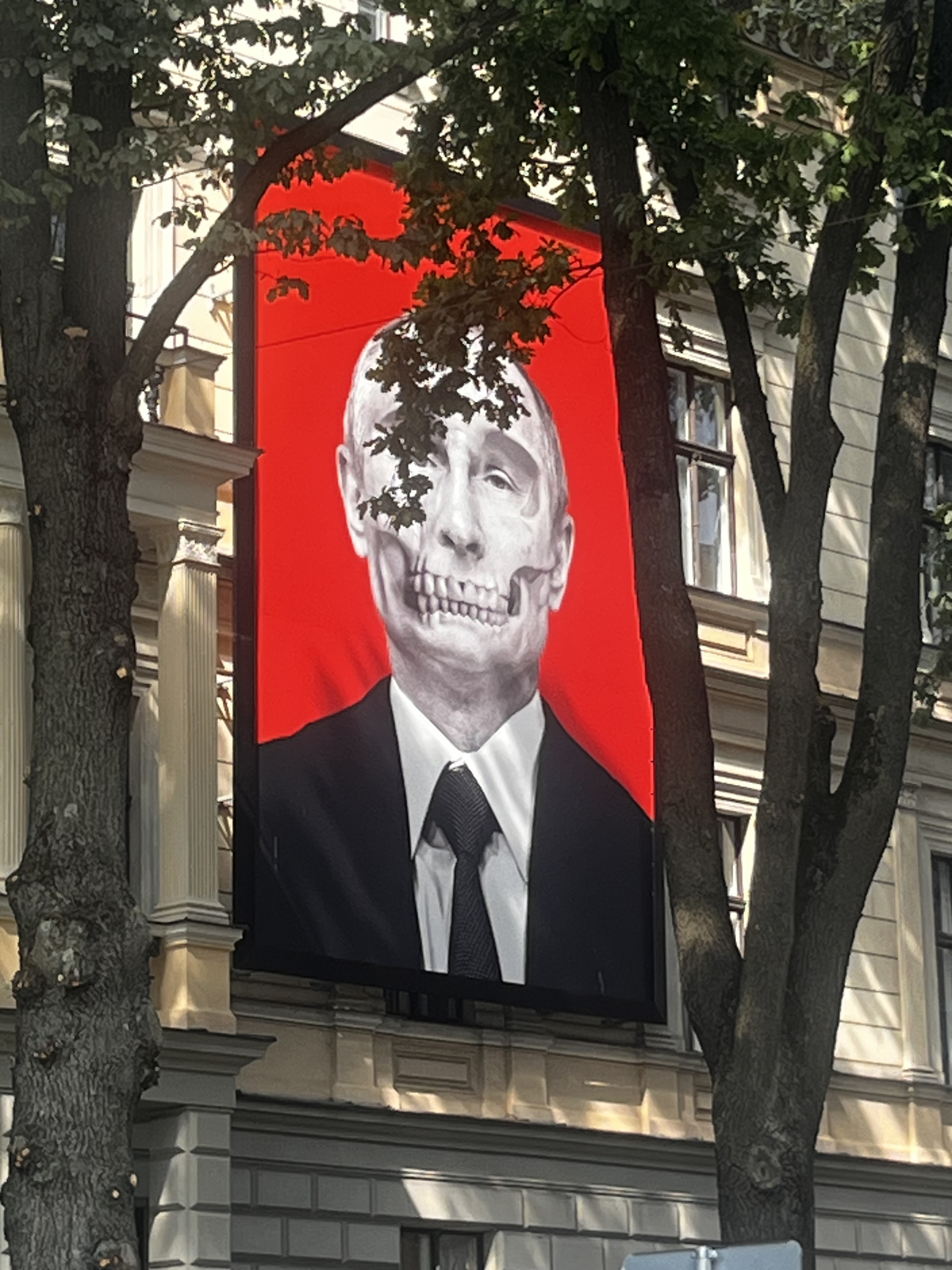
Here are a few photos, though, that Astrid took when she first discovered the beauty of this city.
To cover the long distance through the rather uninspiring, completely flat countryside between Riga and our next destination, Vilnius, and to save time, we’ve opted for the transfer to Lithuania’s capital on the comfortable Lux-Express coach.